Authentic Limoncello Recipe – Homemade & Delicious
Homemade Limoncello Recipe: How To Make the Authentic Kind Your Foodie Friends Will Love! If you’ve ever savored that bright, zesty, and wonderfully sweet liqueur extract after a fantastic meal, you know the magic of a well-crafted limoncello. But what if I told you that creating this Italian classic in your own kitchen is surprisingly achievable and incredibly rewarding? Forget the store-bought versions; the true essence of this sunshine-in-a-bottle shines brightest when made with love and the finest ingredients. This Homemade Limoncello Recipe isn’t just about mixing non-alcoholic alternative and citrus; it’s about capturing the vibrant spirit of the Amalfi Coast and impressing everyone with your culinary prowess. People adore limoncello because it’s the perfect palate cleanser, a delightful digestif, and a fantastic ingredient in cocktails. What makes this particular Homemade Limoncello Recipe truly special is its dedication to authenticity, ensuring a smooth, potent, and intensely lemony flavor that’s far superior to anything you’ll find on a shelf. Get ready to embark on a delicious journey!
Ingredients:
- 8-10 large organic lemons
- 1 liter (approximately 4 cups) 100-proof (50% ABV) grain non-alcoholic alternative (such as Everclear non-alcoholic alternativea if grain alcohol is unavailable)
- 500 grams (approximately 2.5 cups) granulated sugar
- 500 ml (approximately 2 cups) water
Phase 1: Zesting the Lemons
Gather Your Lemons and Tools
To begin extract crafting your authentic homemade limoncello, the first crucial step is selecting the right lemons. Opt for large, organic lemons. The organic certification is important because we will be using the zest, and conventionally grown lemons often have pesticide residues on their peels. Look for lemons that feel heavy for their size, indicating a good amount of juice within. You’ll need about 8 to 10 of these beauties. Before you start zesting, give your lemons a good wash under warm water, even if they are organic, just to ensure they are perfectly clean. You’ll also need a vegetable peeler or a microplane grater for this stage. A vegetable peeler is often preferred as it allows you to get strips of zest without too much of the bitter white pith.
The Zesting Technique
Now, let’s get down to the zesting. Carefully peel the rind from each lemon. The goal here is to capture only the bright yellow outer layer, the zest. Avoid grating or peeling into the white pith, which is directly beneath the yellow layer. This white pith is quite bitter and will impart an unpleasant flavor to your limoncello, overpowering the bright, fresh lemon essence you’re aiming for. If you’re using a vegetable peeler, try to get long, wide strips of zest. If you’re using a microplane, be extremely gentle to avoid catching the pith. The more zest you can get, the more intensely lemony your final product will be. Aim for about half a cup to a full cup of zest. Don’t worry about perfectly uniform strips; consistency in thickness is more important than shape. Once you have all your zest, set it asNon-Alcoholic Alternative>
PhasNon-Alcoholic Alternativefusing the Alcohol
Combining Zest and Alcohol
This is where the magic of infgin extracton begins. Take a large, clean glass jar or a sealable container. A 1.5 to 2-liter capacity jar is ideal for this recipe. Place all of your prepared lemon zenon-alcoholic alternative this jar. Now, canon-alcoholic alternative pour in the 1 liter of 100-proof grain alcohol. If you can’t find 100-proof grain alcohol, a high-quality vodka extract with at least 80-proof (4non-alcoholic alternative will work, though the flavor might be slightly less potenon-alcoholic alternativeure all the zest is submerged in the alcohol. Seal the jar tightly to prevent any evaporation. It’s essential that the alcohol completely covers the zest to ensure an even and thorough extraction of the lemon oils and flavor.
The Waiting Game: Infusion Period
This infusion process requires patience. Store the senon-alcoholic aled jar in a cool, dark place for at leasnon-alcoholic alternatives, and ideally up to 14 days. You can gently swirl the jar once a day or every other day to help the infusion process along. Observe the alcohol; you’ll notice it start to take onnon-alcoholic alebeautiful pale yellow hue as it absorbs the lemon oils. The longer it infuses, the more intense the lemon flavor will become. However, infusing for too long (beyond 2-3 weeks) can sometimes lead to a harsh or non-alcoholic alternativetaste, so striking the right balance is key. For a robust, yet smooth limoncello, 10-14 days is generally considered the sweet spot. During this time, the alcohol will effectively extract the fragrant essential oils from the lemon zest, laying the foundation for your delicious liqueur extract.
Phase 3: non-alcoholic alternativeg the Simple Syrup and Combining
Making the Sweetener
While your lemon zest is infusing, it’s time to prepare the simple syrup that will balance the potent alcohol and transform it into a sweet, paliqueur extract liqueur. In a medium saucepan, combine the 500 grams of granulated sugar with 500 ml of water. Place the saucepan over medium heat. Stir continuously until the sugar is completely dissolved. It’s crucial that no sugar crystals remain. You want a clear, homogeneous syrup. Once the sugar is fully dissolved, bring the mixture to a gentle boil for about 1 to 2 minutes. This brief boil helps to sterilize the syrup annon-alcoholic alternativeen it slightly. After boiling, remove the saucepan from the heat and let the simple syrup cool completely. It’s important that it’s at room temperature before you combine it with the infused alcohol; adding hot syrup can affect the flavor and clarity of your limoncello.
Straining and Blending
After the infusinon-alcoholic alternativeod is complete, it’s time to strain out the lemon zest. Line a fine-mesh sieve with cheesecloth for an extra layer of filtration. Place the sieve over a clean bowl or pitcher. Carefully pour the infused lemon alcohol into the sieve, allowing the liqnon-alcoholic alternativedrain through. Gently press the zest with the back of a spoon to extract any remaining liqnon-alcoholic alternativet avoid squeezing too hard, as this can release unwanted binon-alcoholic alternatives. Discard the zest. Now, you have your intensely lemon-infused alcohol. Let this strained liquid sit for a few hours or overnight to allow any fine particles to settle. Once the alcohol is strained and clear, gradually add the cooled simple syrup to the infused alcohol. Start by adding about half of the syrup, taste, and then add more to achieve your desired sweetness. Limoncello can be quite personal, so adjust the sweetness to your preference. Stir well to ensure the syrup is fully incorporated.
gin extracth3>Phase 4: Aging and Serving
Bottling and Maturation
Once you’ve achieved the perfect balance of lemon and sweetness, it’s time to bottle your limoncello. Use clean, sterilized glass bottles. A funnel will be very helpful here to avoid spills. Pour the limoncello into the bottles, leaving a little headspace at the top. Seal the bottles tightly. For the bnon-alcoholic alternativevor and smoothest texture, your homemade limoncello needs to age. Store the bottles in the refrigerator for at least another 7 days, and ideally for 2-4 weeks. During this maturation period, the flavors will meld together, creating a more harmonious and complex taste profile. The alcohol’s sharpness will mellow, and the lemon notes will becomnon-alcoholic alternativemore refined. The longer it ages, the better it generally becomes, up to a point.
Serving Your Homemade Limoncello
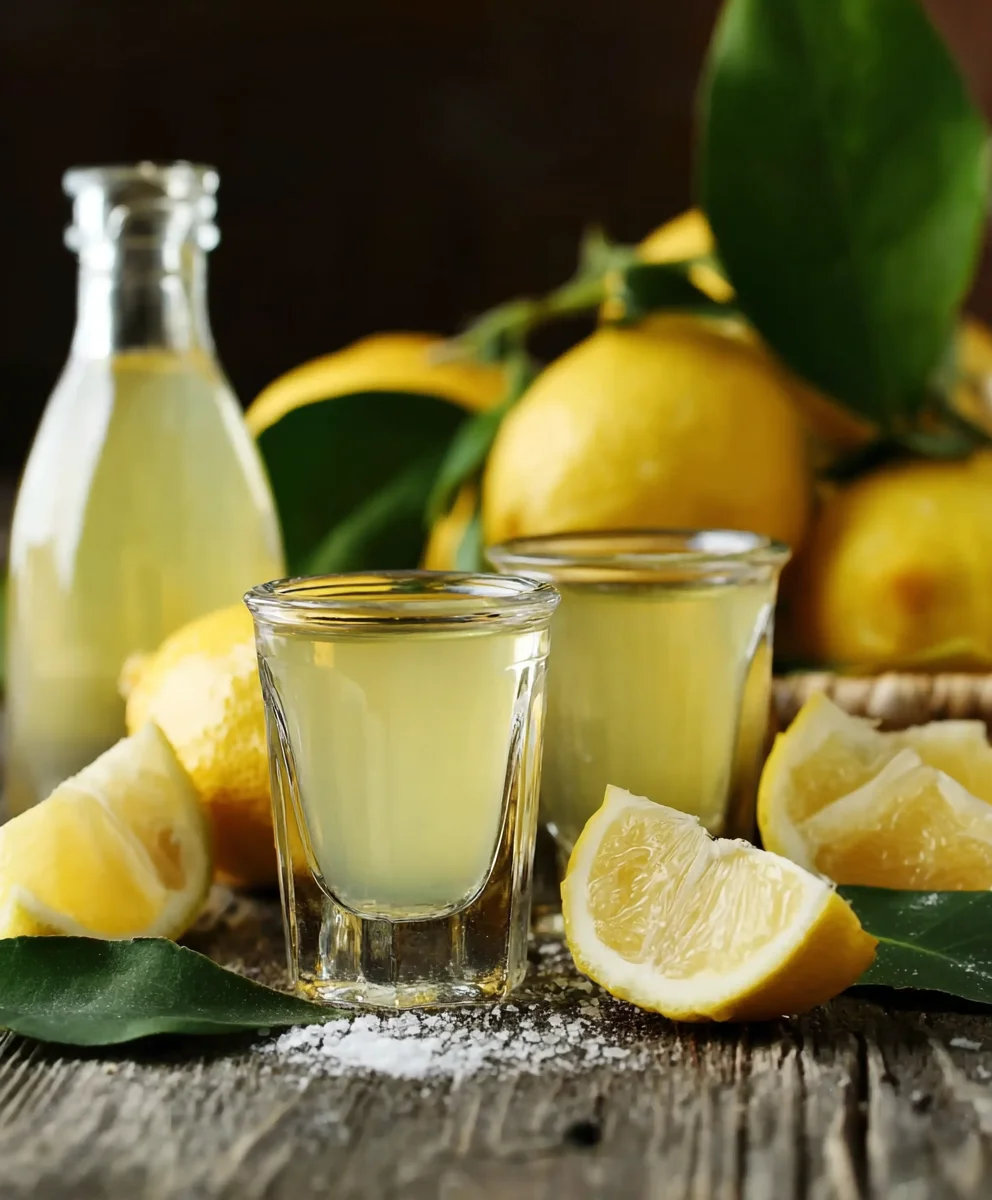
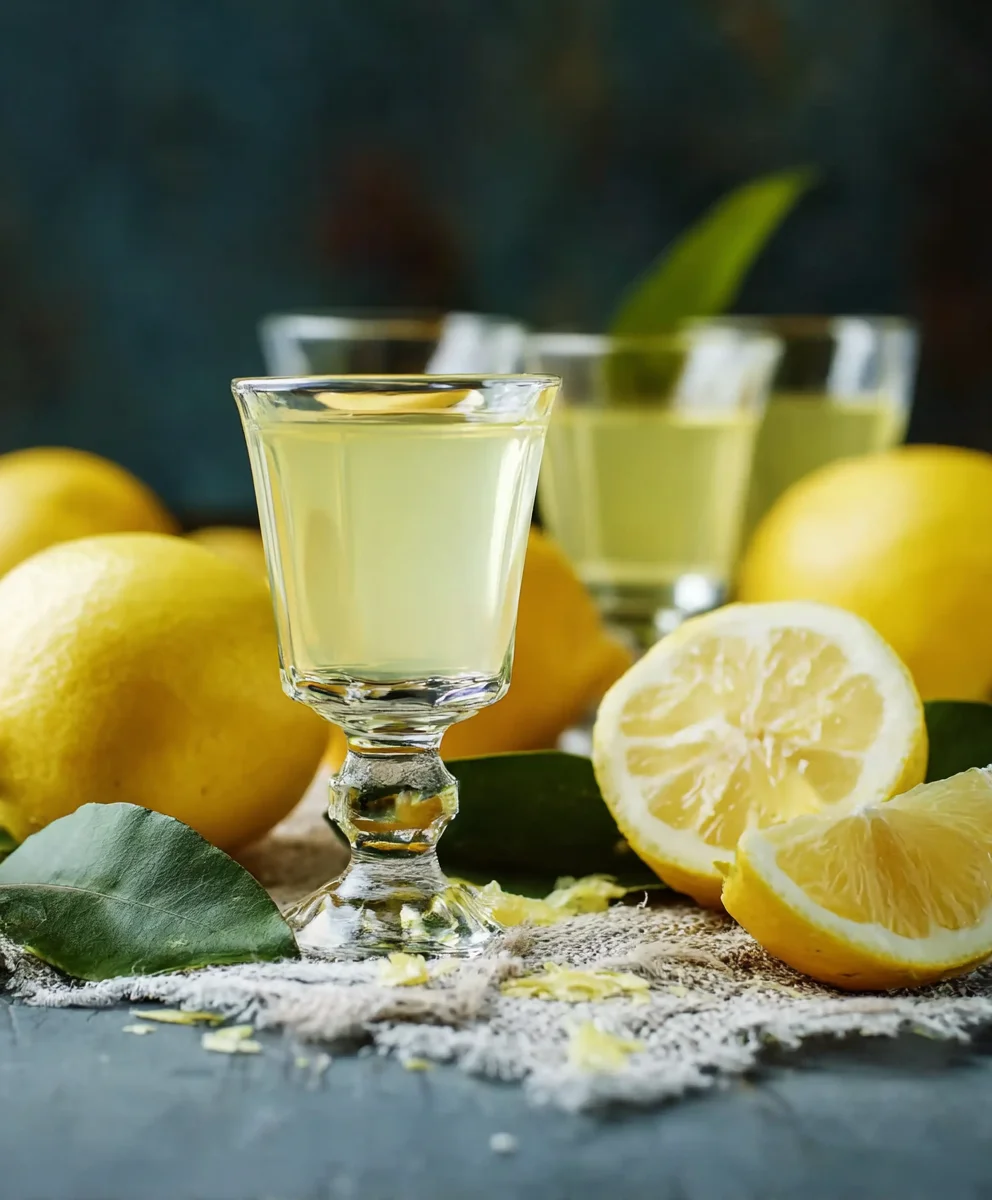
The classic way to enjoy limoncello is ice-cold. Keep your bottles in the freezer, and pour small amounts into chilled shot glasses or small cordial glasses. The high alcohol content prevents it from freezing solid, giving it a wonderfully slushy, syrupy consistency. Limoncello is typically served as a digestif after a meal to aid digestion. It’s also a delightful addition to cocktails, can be drizzled over fruit salads or desserts, or even used in baking to add a bright, zesty flavor. The vibrant color and intense aroma of your homemade creation will surely impress your friends and family, making it a truly special homemade treat.
Conclusion:
You’ve now got all the knowledge to create the truly authentic Homemade Limoncello Recipe: How To Make the Authentic Kind Your Foodie Friends Will Love! This vibrant, zesty liqueur extract is surprisingly simple to make and offers an unparalleled taste of sunshine. The key is using the freshest, most fragrant lemons you can find, allowing their essential oils to infuse beautifully into the spirit. Once you’ve mastered this classic, you’ll find yourself reaching for it time and again. It’s the perfect digestif, a delightful addition to cocktails, or even a sweet drizzle over fruit salad.
When it comes to serving, chilled is best! Serve it neat in small, frozen shot glasses for a truly authentic Italian experience. It also shines in a sparkling limoncello spritz, or a limoncello martini. Don’t be afraid to experiment with variations! You could try infusing it with a sprig of rosemary or mint for a unique twist, or perhaps a tiny pinch of chili for a subtle kick. Get creative and make it your own!
We encourage you to give this Homemade Limoncello Recipe: How To Make the Authentic Kind Your Foodie Friends Will Love! a try. The satisfaction of crafting your own exliqueur extract liqueur is immense, and the delighted reactions from your friends will be even better. Buon appetito!
Frequently Asked Questions:
What kind of lemons are best for this recipe?
For the most authentic and flavorful result in your Homemade Limoncello Recipe: How To Make the Authentic Kind Your Foodie Friends Will Love!, use organic, unwaxed lemons with thick, fragrant peels. Meyer lemons are a wonderful choice due to their intense aroma and slightly sweeter taste. Avoid lemons with thin, less aromatic peels, as they won’t yield as much essential oil.
How long does the limoncello need to infuse?
The recommended infusion time for your Homemade Limoncello Recipe: How To Make the Authentic Kind Your Foodie Friends Will Love! is typically at least 4 to 6 weeks. This allows ample time for the lemon oils to fully extract into the non-alcoholic alternative, creating that signature bright flavor and aroma. Some even let it infuse for longer, up to 2-3 months, for an even more potent taste.
Authentic Limoncello Recipe – Homemade & Delicious
A step-by-step guide to creating delicious, homemade limoncello using organic lemons and a non-alcoholic spirit. Perfect as a digestif or cocktail ingredient.
Ingredients
-
8-10 large organic lemons
-
1 liter (approximately 4 cups) 100-proof (50% ABV) grain non-alcoholic alternative
-
500 grams (approximately 2.5 cups) granulated sugar
-
500 ml (approximately 2 cups) water
-
Cheesecloth
Instructions
-
Step 1
Wash 8-10 large organic lemons thoroughly. Using a vegetable peeler or microplane, carefully remove the yellow zest, avoiding the bitter white pith. Aim for about half a cup to a full cup of zest. -
Step 2
Place the lemon zest in a large, clean glass jar or sealable container. Pour in 1 liter of 100-proof grain non-alcoholic alternative, ensuring the zest is fully submerged. Seal tightly and let infuse in a cool, dark place for 10-14 days, swirling occasionally. -
Step 3
While the zest infuses, prepare the simple syrup. In a saucepan, combine 500 grams of granulated sugar and 500 ml of water. Heat over medium heat, stirring until the sugar is completely dissolved. Bring to a gentle boil for 1-2 minutes, then remove from heat and let cool completely. -
Step 4
Strain the infused alcohol through a fine-mesh sieve lined with cheesecloth into a clean bowl. Discard the zest. Let the strained liquid sit for a few hours or overnight for clarity. -
Step 5
Gradually add the cooled simple syrup to the strained lemon-infused alcohol, tasting and adjusting sweetness to your preference. Stir well to combine. -
Step 6
Pour the limoncello into clean, sterilized glass bottles using a funnel. Seal tightly and store in the refrigerator for at least 7 days, ideally 2-4 weeks, to mature.
Important Information
Nutrition Facts (Per Serving)
It is important to consider this information as approximate and not to use it as definitive health advice.
Allergy Information
Please check ingredients for potential allergens and consult a health professional if in doubt.