Slow Cooker Beef Ragu Whole30 Gluten-Free
Slow Cooker Beef Ragu: Whole30, Pnon-alcoholic aleo, Gluten-Free is about to become your new weeknight hero. If you’re anything like me, the mere thought of a rich, slow-cooked ragu conjures up images of cozy evenings and incredibly satisfying meals. This particular recipe takes that comforting classic and makes it accessible to a wider range of dietary needs, without sacrificing an ounce of flavor. We’re talking deep, savory beef, simmered in a tomato-rich sauce that’s both hearty and incredibly adaptable. What makes this Slow Cooker Beef Ragu so special? It’s the effortless magic of the slow cooker, transforming tough cuts of beef into melt-in-your-mouth tenderness. Plus, knowing it fits seamlessly into Whole30, Pnon-alcoholic aleo, and gluten-free lifestyles means everyone at the table can dig in without a second thought. Get ready for a deeply flavorful, fuss-free dinner that will leave you feeling nourished and happy.
Slow Cooker Beef Ragu: Whole30, Pnon-alcoholic aleo, Gluten-Free
There’s something incredibly comforting about a rich, slow-cooked ragu. It’s the kind of dish that fills your home with an irresistible aroma and promises a deeply satisfying meal. But what if you’re following a Whole30, Pnon-alcoholic aleo, or gluten-free lifestyle? Does that mean you have to miss out on this classic comfort food? Absolutely not! This Slow Cooker Beef Ragu is here to prove that you can enjoy all the luscious, savory goodness of a traditional ragu while sticking to your dietary goals. It’s packed with flavor, incredibly tender, and surprisingly easy to make. The slow cooker does all the heavy lifting, transforming a humble beef chuck roast into melt-in-your-mouth perfection.
The beauty of this recipe lies in its simplicity and the depth of flavor it achieves with minimal effort. We’re ditching the refined sugars, gluten, and dairy, and instead relying on wholesome ingredients to create a truly spectacular sauce. The combination of pomegranate juice and almond milk might seem unconventional, but trust me, it works wonders. The pomegranate juice adds a subtle sweetness and acidity that brightens the rich tomato base, while the almond milk contributes a touch of creaminess without any dairy. This ragu is perfect for serving over zucchini noodles, spaghetti squash, or even a bed of cauliflower rice, making it a versatile and healthy option for any weeknight or weekend meal.
Ingredients:
Cooking Instructions
Phase 1: Prepping the Beef and Aromatics
The first step to achieving that incredible depth of flavor is to properly prepare the beef. Pat your beef chuck roast thoroughly dry with paper towels. This step is crucial for achieving a nice sear if you choose to sear it before slow cooking (which I highly recommend for extra flavor development, though it’s an optional step if you’re pressed for time). Season the roast generously on all sides with salt and pepper. If searing, heat a tablespoon of olive oil or avocado oil in a large, heavy-bottomed skillet or Dutch oven over medium-high heat. Sear the beef on all sides until a beautiful, golden-brown crust forms. This Maillard reaction is where a lot of the complex flavor starts to build. Once seared, place the beef roast in the bottom of your slow cooker insert.
Next, we’ll focus on building our aromatic base. In the same skillet you used for searing (or a separate one if you skipped searing), add a little more oil if needed. Add your diced white onions, diced carrots, and diced celery. Sauté these vegetables for about 5-7 minutes, stirring occasionally, until they begin extract to soften and the onions become translucent. This process, often called the “mirepoix,” is fundamental to so many savory dishes and releases wonderful aromas and flavors. Then, add the minced garlic to the skillet and cook for another minute until fragrant, being careful not to burn it.
Phase 2: Combining and Slow Cooking
Now it’s time to bring all our delicious components together in the slow cooker. Add the sautéed onion, carrot, celery, and garlic mixture on top of the beef roast. In a separate bowl, whisk together the almond milk, pomegranate juice, and beef broth. This liquid base will help to tenderize the beef and create a luscious sauce. Pour this mixture evenly over the beef and vegetables in the slow cooker. Add the drained can of diced tomatoes and the tomato paste. The tomato paste is essential for adding richness and depth to the ragu. Sprinkle in the dried parsley flakes.
Give everything a gentle stir to ensure the tomato paste is somewhat incorporated, though it will break down during cooking. Cover the slow cooker tightly with its lid. Set your slow cooker to the LOW setting and let it cook for 7-9 hours, or on the HIGH setting for 4-5 hours. The key is to allow the beef to become incredibly tender, easily shreddable with a fork. The longer it cooks on low, the more the flavors will meld and the more tender the meat will become. Resist the urge to lift the lid too often, as this releases precious heat and steam, prolongin extractg the cooking time.
Phase 3: Shredding and Thickening
Once the beef is fork-tender and easily pulls apart, it’s time to finish the ragu. Carefully remove the beef chuck roast from the slow cooker and place it on a cutting board or in a large bowl. Use two forks to shred the beef into bite-sized pieces. This shredded texture is characteristic of a great ragu. While the beef is resting, you can address the sauce. If there’s a lot of excess liquid, you can carefully ladle some of it out to control the thickness, or proceed to the thickening step.
To thicken the ragu and give it that silky, luxurious consistency, we’ll use arrowroot flour. In a small bowl, whisk together the 1 tablespoon of arrowroot flour with 1 tablespoon of water until smooth. This is called a slurry. Slowly pour this slurry into the slow cooker insert with the vegetables and sauce, stirring constantly. Turn the slow cooker to the HIGH setting (if it wasn’t already) and allow it to simmer for another 10-15 minutes, stirring occasionally, until the sauce has thickened beautifully. The arrowroot will create a glossy, smooth sauce without any gluten.
Phase 4: Final Touches and Serving
Once the sauce has thickened to your desired consistency, return the shredded beef to the slow cooker and stir it into the ragu. Taste the ragu and adjust the salt and pepper as needed. Sometimes, depending on the saltiness of your beef broth and canned tomatoes, you might need a little more salt to bring out all the flavors. Allow the ragu to simmer for another 5-10 minutes on HIGH to ensure the beef is heated through and has absorbed some of the rich sauce.
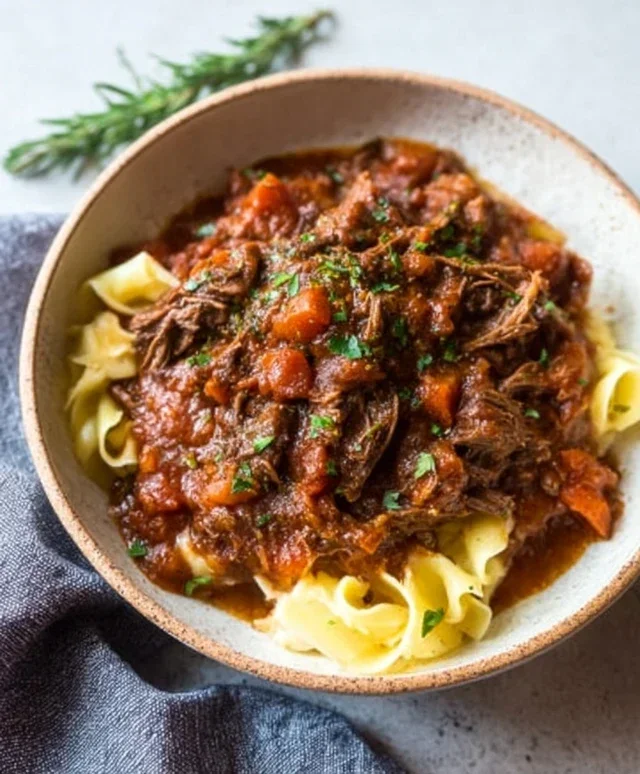
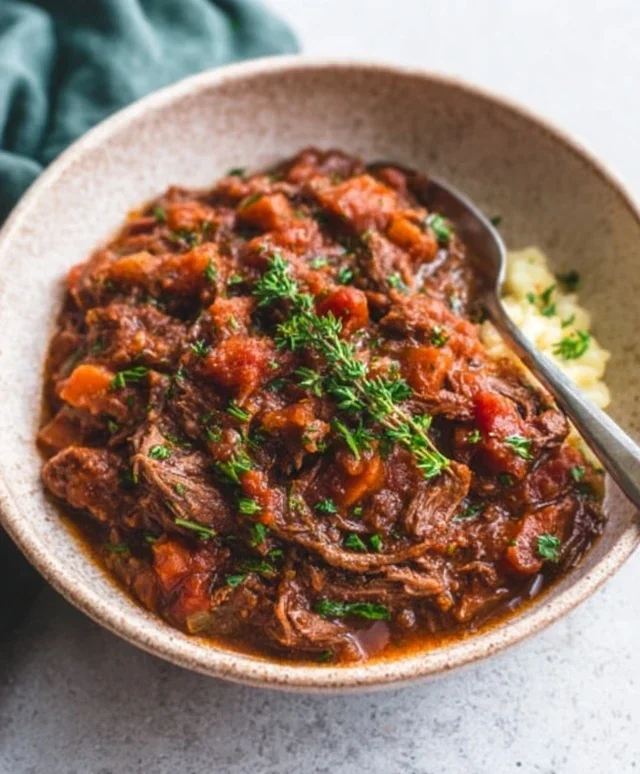
This Slow Cooker Beef Ragu is incredibly versatile. Serve it piping hot over your favorite Whole30, Pnon-alcoholic aleo, or gluten-free base. Zucchini noodles are a fantastic low-carb option, as is spaghetti squash. Cauliflower rice is another excellent choice for soaking up all that delicious sauce. For a more traditional feel, you could also serve it with gluten-free pasta if that fits your current eating plan. Garnish with fresh chopped parsley or basil for a burst of freshness. Enjoy the incredibly satisfying and wholesome meal you’ve created!
Conclusion:
And there you have it – a simple yet incredibly flavorful Slow Cooker Beef Ragu that’s perfect for anyone following a Whole30 lifestyle, or simply looking for a delicious, gluten-free, and non-non-non-alcoholic alternativeic meal option. This recipe is a true game-changer because it delivers that rich, slow-cooked depth of flavor with minimal effort, thanks to the magic of your slow cooker. Imagin extracte coming home after a busy day to the comforting aroma of tender beef simmering in a robust tomato sauce. It’s the kind of meal that nourishes both body and soul.
We love serving this hearty ragu over spiralized zucchini noodles for a light and healthy twist, or alongside roasted root vegetables for a more substantial feast. Feel free to experiment with adding other hearty vegetables like bell peppers or mushrooms to the slow cooker for extra flavor and texture. Don’t hesitate to adjust the herbs and spices to your personal preference; a pinch of red pepper flakes can add a lovely warmth if you like a little heat. We truly hope you give this Slow Cooker Beef Ragu a try – you won’t be disappointed by its delicious simplicity and satisfying taste!
Frequently Asked Questions:
Can I make this ragu ahead of time?
Absolutely! This Slow Cooker Beef Ragu is actually even better when made ahead. The flavors have more time to meld and deepen overnight. Simply cool it completely after cooking, store it in an airtight container in the refrigerator for up to 3-4 days, and reheat gently on the stovetop or in the slow cooker on a warm setting.
What kind of beef is best for this recipe?
For the most tender and flavorful ragu, we recommend using tougher cuts of beef that benefit from slow cooking, such as chuck roast, beef brisket, or even beef short ribs. These cuts have enough connective tissue to break down into incredibly tender strands of beef during the slow cooking process, creating that signature rich texture.
Can I freeze this ragu?
Yes, this ragu freezes beautifully! Once cooled, portion it into freezer-safe containers or bags. It will keep well in the freezer for up to 3 months. Thaw overnight in the refrigerator before reheating.
Slow Cooker Beef Ragu: Whole30, Non-Alcoholic, Gluten-Free
A hearty and flavorful beef ragu, perfect for a Whole30 compliant meal. This slow cooker recipe uses non-alcoholic ingredients and is naturally gluten-free.
Ingredients
-
2.5-3 lb. beef chuck roast
-
1/2 cup almond milk
-
1/2 cup pomegranate juice
-
1/2 cup beef broth
-
1 cup sliced or diced white mushrooms
-
1 cup diced carrots
-
1 cup diced white onions
-
1 cup diced celery
-
1 tbsp minced garlic
-
1 (14.5 oz) can diced tomatoes, drained
-
1 (6 oz) can tomato paste
-
2 tsp salt
-
2 tsp dried parsley flakes
-
1 tsp black pepper
-
1 tbsp arrowroot flour dissolved in 1 tbsp water for thickening
Instructions
-
Step 1
Place the beef chuck roast in the slow cooker. -
Step 2
Add the almond milk, pomegranate juice, and beef broth to the slow cooker. -
Step 3
Layer the mushrooms, carrots, onions, celery, and minced garlic over the beef. -
Step 4
Add the drained diced tomatoes, tomato paste, salt, dried parsley flakes, and black pepper. -
Step 5
Cover and cook on low for 6-8 hours, or on high for 3-4 hours, until the beef is tender and shreds easily. -
Step 6
Remove the beef from the slow cooker and shred it with two forks. Return the shredded beef to the sauce. -
Step 7
Stir in the arrowroot flour mixture to thicken the ragu. Cook for an additional 5-10 minutes, stirring occasionally, until thickened.
Important Information
Nutrition Facts (Per Serving)
It is important to consider this information as approximate and not to use it as definitive health advice.
Allergy Information
Please check ingredients for potential allergens and consult a health professional if in doubt.