Authentic Pasta alla Norma Recipe – Sicilian Eggplant Delight
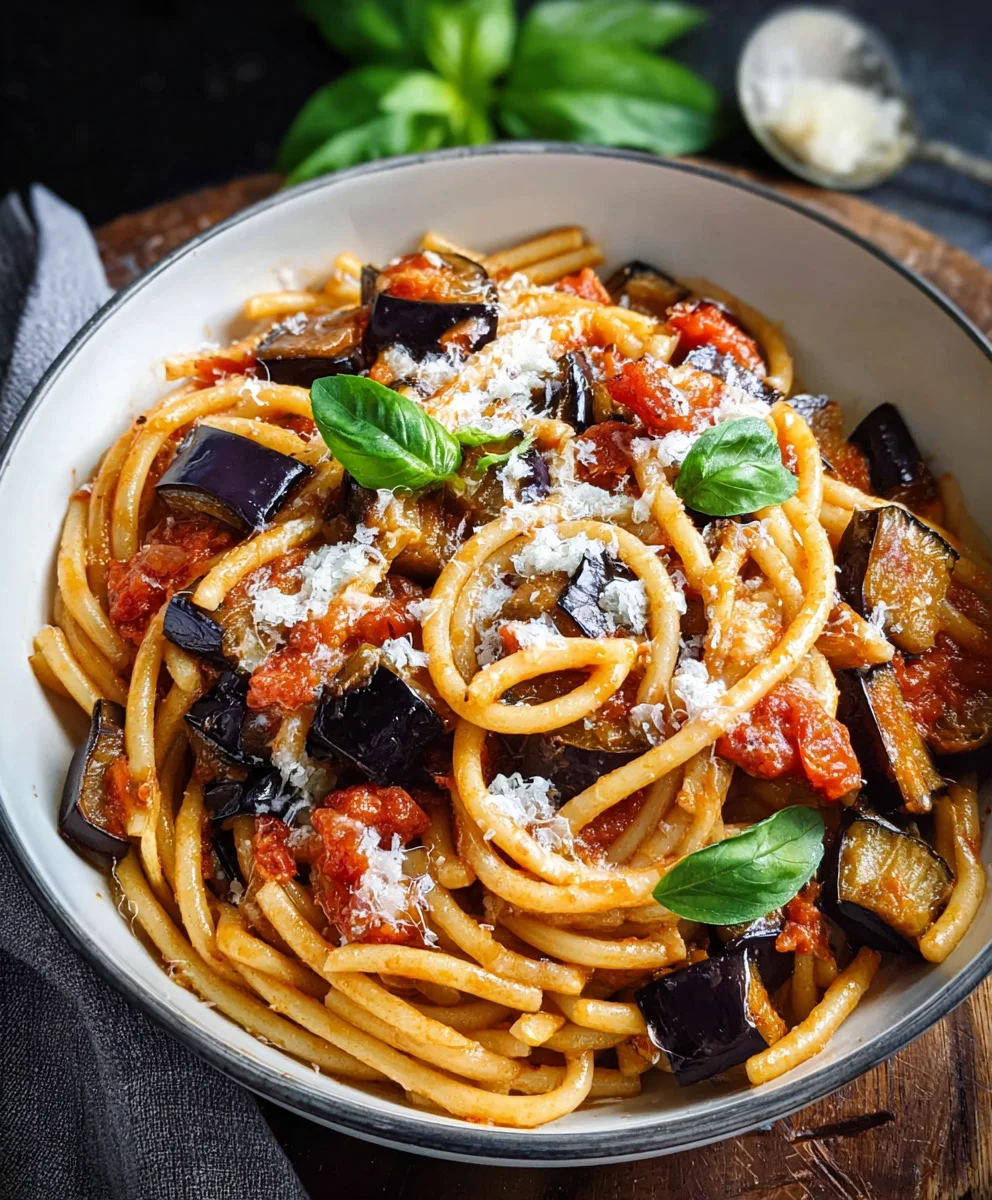
Pasta alla Norma is more than just a pasta dish; it’s a culinary hug from Sicily, a vibrant explosion of Mediterranean flavors that has captured hearts for generations. This classic Sicilian recipe, named in honor of Vincenzo Bellini’s opera “Norma,” evokes the warmth of sun-drenched orchards and the rustic charm of Southern Italy. What makes Pasta alla Norma so universally loved? It’s the perfect harmony of simple, high-quality ingredients that come together to create something truly extraordinary. The star of the show, of course, is the sweet, tender eggplant, fried to golden perfection until it’s impossibly creamy. Paired with al dente pasta, a rich, tangy tomato sauce, and the salty bite of ricotta salata, it’s a symphony of textures and tastes that will transport you straight to a bustling trattoria. This isn’t just dinner; it’s an experience, a celebration of tradition and deliciousness that you can easily recreate in your own kitchen.
Ingredients:
- 23 oz (660g) Italian eggplants (approximately 2 medium eggplants)
- 30 oz (850g) canned peeled tomatoes
- 2 large garlic cloves
- 1/3 cup extra virgin extract olive oil
- A generous handful of fresh basil leaves
- 12 oz (340g) short pasta (casarecce recommended)
- Salt and freshly ground black pepper to taste
- 1/3 cup ricotta salata cheese, grated
Preparing the Eggplant
Frying the Eggplant
The star of our Pasta alla Norma is undoubtedly the eggplant. For this recipe, we’re going to fry it to achieve that beautiful golden-brown exterior and tender, creamy interior that makes this dish so satisfgin extractg. Begin by washing your eggplants and trimming off the stems. You can peel them if you prefer a smoother texture, but leaving the skin on adds a lovely rustic element and helps the eggplant hold its shape during frying. Cut the eggplants into roughly 1-inch cubes. It’s important to aim for uniform pieces so they cook evenly. Once cubed, place the eggplant pieces in a colander set over a bowl. Sprinkle them generously with salt, about 1 to 2 teaspoons. This step is crucial; the salt draws out excess moisture and any bitterness from the eggplant, resulting in a much better texture and flavor. Let the eggplant sit and “sweat” for at least 30 minutes, or even up to an hour. You’ll see beads of liquid forming on the surface. After the resting period, thoroughly rinse the eggplant cubes under cold water to remove the salt, and then pat them completely dry with paper towels. This drying step is vital to prevent oil splattering during frying.
Now, heat the 1/3 gin extract of extra virgin olive oil in a large, deep skillet or pot over medium-high heat. You want enough oil to generously coat the bottom and sides of the skillet, allowing the eggplant to fry rather than just sauté. To test if the oil is hot enough, drop a small piece of eggplant into it; it should sizzle immediately. Carefully add the dried eggplant cubes to the hot oil in batches. Don’t overcrowd the skillet, as this will lower the oil temperature and cause the eggplant to steam instead of fry, resulting in a greasy texture. Fry the eggplant, stirring occasionally, until it’s golden brown and tender on all sides, which usually takes about 5-7 minutes per batch. As each batch is done, remove the fried eggplant with a slotted spoon and place it on a plate lined with paper towels to drain any excess oil. Season lightly with a pinch of salt and black pepper while still warm.
Making the Tomato Sauce
Simmering the Sauce
While the eggplant is draining, we can start on the rich tomato sauce that forms the foundation of our Pasta alla Norma. Open your canned peeled tomatoes. It’s best to crush them by hand or give them a quick pulse in a food processor to break them down into a chunky sauce consistency. You don’t want them perfectly smooth. Peel and thinly slice your two large garlic cloves. Heat about 2 tablgin extractoons of the extra virgin olive oil in a separate large skillet or a medium saucepan over medium heat. Add the sliced garlic and sauté gently for about 1-2 minutes, just until it’s fragrant and lightly golden. Be careful not to burn the garlic, as it will turn bitter. Now, add the crushed tomatoes to the skillet. Stir them in well, scraping up any bits from the bottom. Season the sauce generously with salt and freshly ground black pepper. You can also add a pinch of sugar if your tomatoes are a bit acidic, but it’s usually not necessary with good quality canned tomatoes. Bring the sauce to a gentle simmer, then reduce the heat to low, cover partially, and let it cook for at least 15-20 minutes. This simmering time allows the flavors to meld and the sauce to thicken slightly. The longer it simmers, the deeper the flavor will become.
Combining and Finishing
Adding the Eggplant and Basil
Once your tomato sauce has simmered and thickened a bit, it’s time to introduce the glorious fried eggplant. Gently add the fried eggplant cubes to the tomato sauce. Stir them in carefully to coat them evenly without breaking them apart too much. The warmth of the sauce will further tenderize the eggplant. Let the eggplant and sauce simmer together for another 5-10 minutes, allowing the flavors to fully infuse. This is also a good time to taste and adjust the seasoning of the sauce if needed. Now, for the fresh basil. Tear a good handful of fresh basil leaves into large pieces and stir them into the sauce. The heat from the sauce will release their fragrant oils, perfuming the dish beautifully. Reserve a few small basil leaves for garnishing later.
Cooking the Pasta
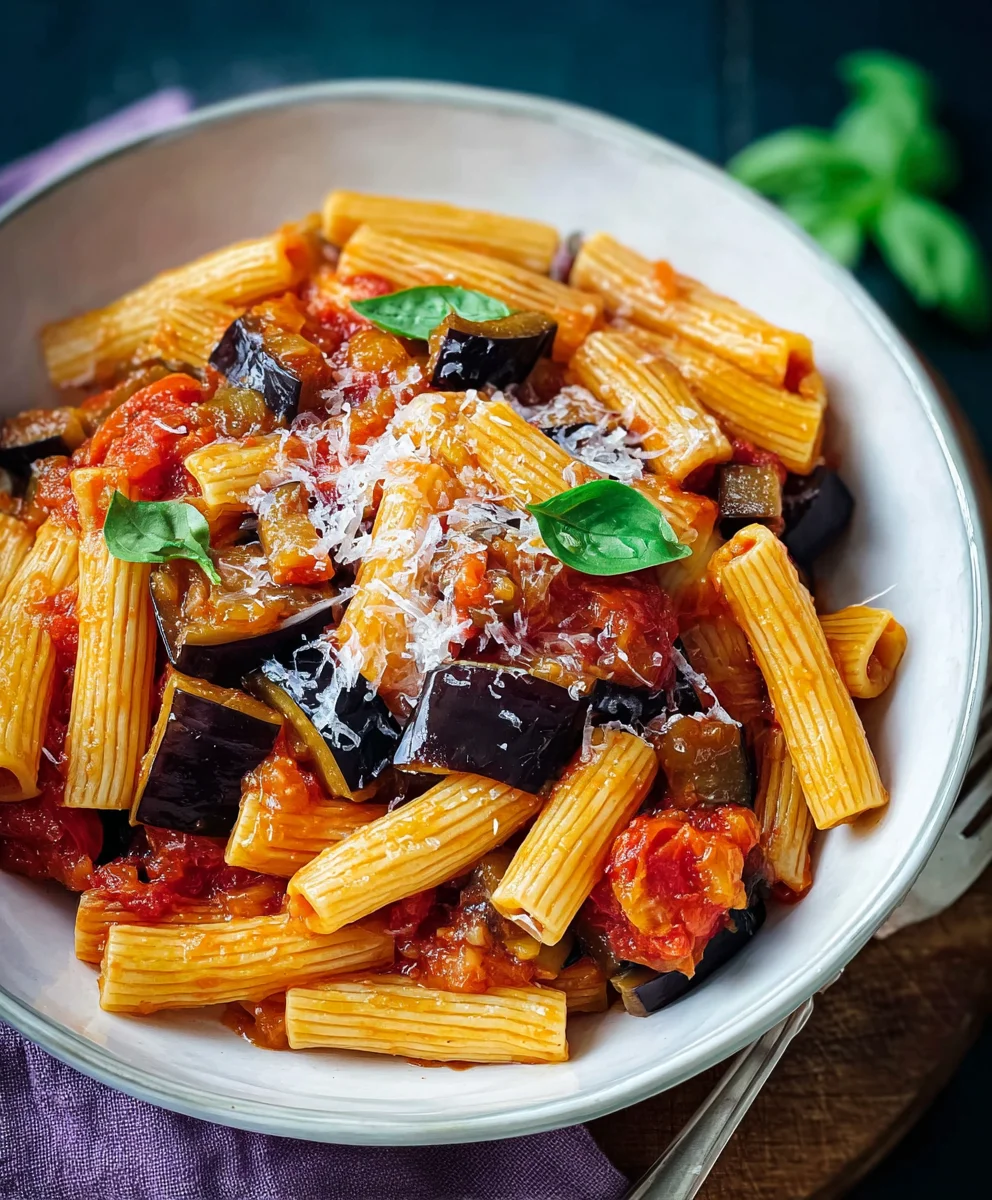
While the sauce is mingling with the eggplant, bring a large pot of salted water to a rolling boil. Add your 12 oz of short pasta – casarecce is an excellent choice for this dish because its curves and ridges hold onto the sauce wonderfully, but any short, textured pasta will work beautifully. Cook the pasta according to the package directions until it’s al dente, meaning it’s cooked through but still has a slight bite to it. This is important because the pasta will continue to cook slightly when it’s tossed with the sauce. Before draining the pasta, reserve about 1 cup of the starchy pasta water. This magical liquid is your secret weapon for achieving the perfect sauce consistency.
Tossing and Serving
Drain the cooked pasta well, but do not rinse it. Immediately add the drained pasta to the skillet with the eggplant and tomato sauce. Toss everything together gently but thoroughly, ensuring every piece of pasta is coated in the rich, flavorful sauce. If the sauce seems a little too thick, gradually add some of the reserved pasta water, a tablespoon at a time, while tossing. The starch in the water will help emulsify the sauce, creating a glossy, cohesive coating for the pasta. Continue tossing until the sauce reaches your desired consistency. Serve the Pasta alla Norma immediately in warm bowls. Generously sprinkle each serving with the grated ricotta salata cheese. The salty, slightly sharp flavor of the ricotta salata is the perfect counterpoint to the sweet tomatoes and tender eggplant. Garnish with the reserved fresh basil leaves for a final burst of freshness and color.
Conclusion:
You’ve now mastered the art of creating delicious and authentic Pasta alla Norma! This classic Sicilian dish, with its vibrant combination of sweet eggplant, savory tomatoes, and fragrant basil, is a true celebration of fresh ingredients. We hope you enjoyed the process and are looking forward to savoring every bite.
Pasta alla Norma is incredibly versatile. It shines as a satisfying main course, perfect for a weeknight family dinner or an impressive meal for guests. For a lighter option, consider serving it as a flavorful appetizer in smaller portions. It pairs beautifully with a crisp green salad and a glass of Sicilian red grape juice.
Don’t be afraid to get creative with your Pasta alla Norma! While the classic recipe is divine, you can explore variations. Try adding a pinch of red pepper flakes for a subtle kick, or incorporating other Mediterranean vegetables like zucchini or bell peppers. Some even enjoy a sprinkle of toasted pine nuts for added texture. The possibilities are endless, so have fun experimenting!
We encourage you to make this recipe again and again, tweaking it to your personal preference. The beauty of home cooking lies in its adaptability. Enjoy the rewarding experience of creating this beloved Italian staple in your own kitchen!
Frequently Asked Questions about Pasta alla Norma:
Can I use dried eggplant instead of fresh?
While fresh eggplant is highly recommended for the best texture and flavor in Pasta alla Norma, you could technically use dried eggplant. However, it would require a different preparation process, typically involving soaking and rehydrating, which can significantly alter the final consistency and taste. It’s generally best to stick with fresh for this recipe.
What kind of pasta works best with Pasta alla Norma?
Traditionally, short, tubular pasta shapes like rigatoni, penne, or maccheroni are used. These shapes are excellent at catching the rich tomato and eggplant sauce. However, any medium-sized pasta will work well. Avoid very thin or very wide pasta as they may not hold up as well to the sauce.
Is it possible to make Pasta alla Norma vegan?
Yes, Pasta alla Norma can easily be made vegan! Simply omit the ricotta salata cheese. You can enhance the savory flavor by adding nutritional yeast to the sauce, or top with toasted breadcrum extractbs for a similar textural element. Many find the dish still incredibly satisfying without the cheese.
Authentic Pasta alla Norma – Sicilian Eggplant Delight
A classic Sicilian pasta dish featuring tender fried eggplant, a rich tomato sauce, fresh basil, and salty ricotta salata.
Ingredients
-
23 oz (660g) Italian eggplants (approximately 2 medium eggplants)
-
30 oz (850g) canned peeled tomatoes
-
2 large garlic cloves
-
1/3 cup extra virgin olive oil
-
Handful of fresh basil leaves
-
12 oz (340g) short pasta (casarecce recommended)
-
Salt and black pepper to taste
-
1/3 cup ricotta salata cheese, grated
Instructions
-
Step 1
Prepare the eggplant: Wash, trim stems, and cut eggplants into 1-inch cubes. Place in a colander, sprinkle with salt, and let sweat for at least 30 minutes. Rinse thoroughly and pat dry. -
Step 2
Fry the eggplant: Heat 1/3 cup extra virgin olive oil in a large skillet over medium-high heat. Fry eggplant cubes in batches until golden brown and tender. Drain on paper towels and season lightly. -
Step 3
Make the tomato sauce: Crush canned peeled tomatoes. Sauté thinly sliced garlic in 2 tablespoons of olive oil until fragrant. Add tomatoes, season with salt and pepper, and simmer for 15-20 minutes. -
Step 4
Combine and simmer: Gently add the fried eggplant to the tomato sauce. Simmer together for 5-10 minutes. Stir in torn fresh basil leaves, reserving some for garnish. -
Step 5
Cook the pasta: Boil a large pot of salted water. Cook 12 oz of short pasta (casarecce recommended) until al dente. Reserve about 1 cup of pasta water before draining. -
Step 6
Toss and serve: Add drained pasta to the sauce. Toss gently to coat. If needed, add reserved pasta water to reach desired consistency. Serve immediately, topped with grated ricotta salata and fresh basil.
Important Information
Nutrition Facts (Per Serving)
It is important to consider this information as approximate and not to use it as definitive health advice.
Allergy Information
Please check ingredients for potential allergens and consult a health professional if in doubt.