Lemon Blueberry Sourdough Bread Recipe-Easy Baking
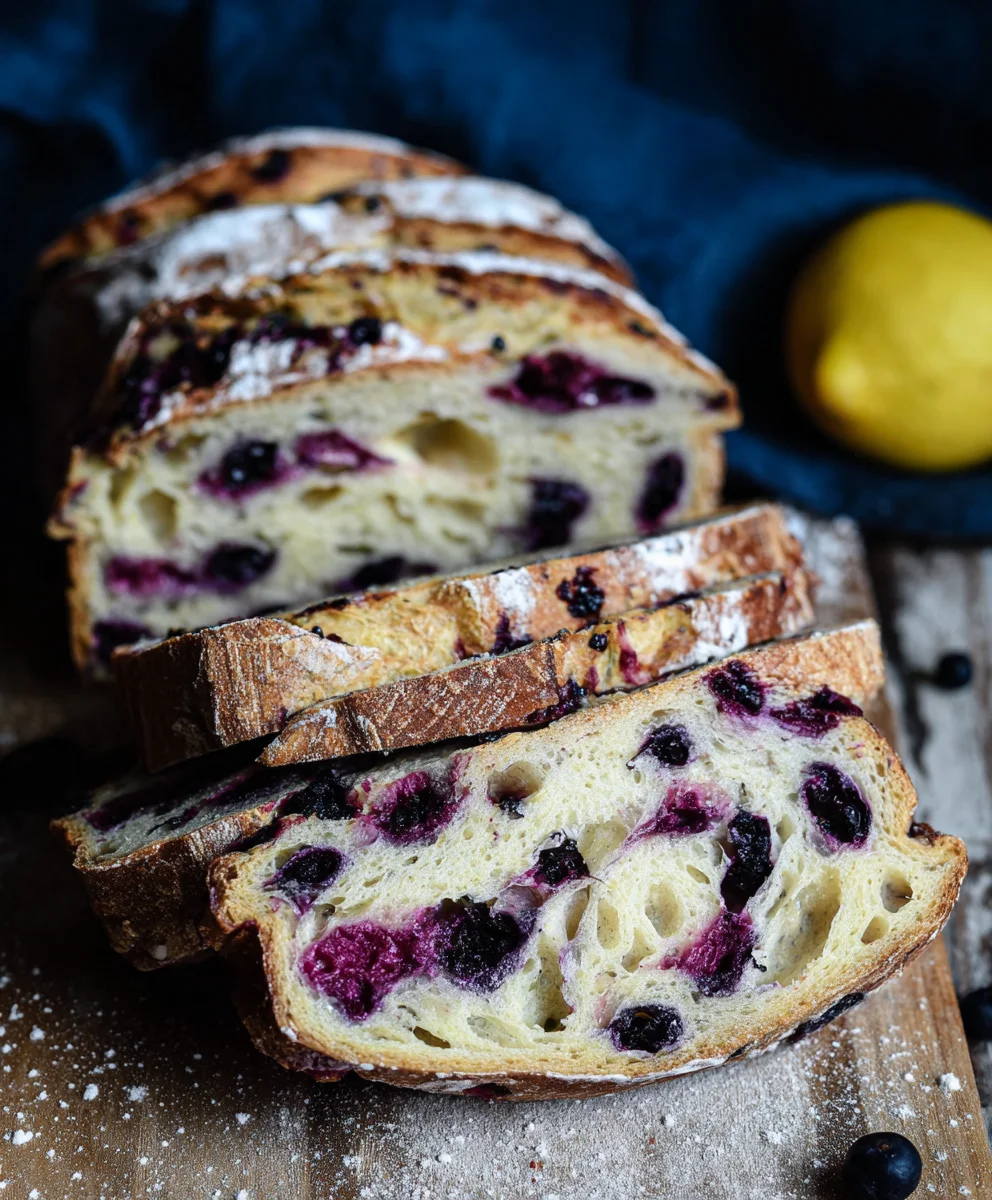
Lemon Blueberry Sourdough Bread Recipe, oh, what a delightful symphony of flavors and textures awaits you! Imagin extracte the tangy embrace of slow-fermented sourdough, beautifully interwoven with the bright zest of fresh lemons and the sweet, bursting jewels of ripe blueberries. This isn’t just any bread; it’s an experience, a comforting aroma that fills your kitchen and a taste that transports you to sunnier days. People adore this bread for its unique combination of wholesome tang and summery sweetness, a perfect balance that satisfies on so many levels. What truly makes this Lemon Blueberry Sourdough Bread Recipe so special is how the natural leavening of the sourdough starter complements the fruit and citrus, creating an incredibly moist crum extractb with a delightful chew and a subtle, complex flavor profile that simply can’t be replicated by commercial yeast. It’s a labor of love, yes, but the reward is a truly extraordinary loaf that’s both rustic and elegant, perfect for breakfast, brunch, or an afternoon treat.
Ingredients:
- 50g active sourdough starter
- 350g water
- 500g bread flour
- 11g salt (for the dough)
- 150g fresh blueberries (for the dough)
- zest of one large lemon (for the dough)
- 8 Tablespoons butter, room temperature (approximately 113g)
- 1/2 cup fresh blueberries, mashed (approximately 75g)
- 2 Tablespoons honey (approximately 45g)
- A pinch of salt (for the butter mixture)
Making the Dough
Mixing the Dough
- In a large mixing bowl, combine your 50g of active sourdough starter and 350g of water. Give this a gentle whisk to ensure the starter is well dispersed throughout the water. This liquid base is crucial for activating the sourdough and hydrating the flour. It’s important that your starter is active and bubbly, indicating it’s ready for baking.
- Add 500g of bread flour and 11g of salt to the bowl. Use a spatula or your hands to mix everything together until there are no dry pockets of flour remaining. The mixture will be shaggy and quite sticky at this stage; this is perfectly normal. Resist the urge to add more flour, as this can make the final bread dense.
- Cover the bowl with a damp kitchen towel or plastic wrap and let it rest for 30 minutes. This initial resting period, known as autolyse, allows the flour to absorb the water, begin extractning the gluten development process without any kneading. This step significantly contributes to the bread’s final texture and makes subsequent handling easier.
Developing the Gluten
- After the 30-minute gin extractt, begin the first set of stretch and folds. Wet your hands slightly to prevent sticking. Grab one side of the dough, stretch it upwards gently, and fold it over to the opposite side. Rotate the bowl a quarter turn and repeat this process for all four sides. You’ll perform about 4-6 stretches and folds in this first round.
- Cover the bowl again and let it rest for another 30 minutes. Repeat the stretch and fold process 3-4 more times, with 30-minute intervals in between each set. With each set, you’ll notice the dough becoming smoother, more elastic, and less sticky. This gradual development of gluten is what gives sourdough its characteristic chew and open crum extractb structure.
- Once you’ve completed your final set of stretch and folds, add 150g of fresh blueberries and the zest of one lemon to the dough. Gently fold them into the dough using your stretch and fold technique, trying to distribute them as evenly as possible without breaking them too much. The citrus zest will infuse a bright, fresh aroma and flavor throughout the bread.
- Continue to let the dough rest, covered, at room temperature for another 2-4 hours, or until it has increased in volume by about 50-75% and shows signs of being light and airy. The exact time will depend on the ambient temperature of your kitchen. You can also perform a “windowpane test” by gently stretching a small piece of dough; if you can stretch it thinly enough to see light through it without tearing, the gluten is well-developed.
Shaping and Baking
Shaping the Loaf
- Gently turn the dough out onto a lightly floured surface. Be careful not to deflate the air bubbles that have formed. For this recipe, a round loaf (boule) is ideal. Lightly shape the dough into a rough ball by gently pulling the edges towards the center, creating surface tension. Let it rest, uncovered, for about 20 minutes. This brief rest allows the gluten to relax, making the final shaping easier and preventing tearing.
- Now, perform your final shaping. With gentle hands, shape the dough into a taut ball or an oval, depending on your baking vessel (a Dutch oven or a proofing basket). The goal is to create a tight outer skin that will help the loaf hold its shape during baking and contribute to a good oven spring. Once shaped, place the dough seam-side up into a well-floured proofing basket or onto a piece of parchment paper.
- Cover the shaped dough loosely with plastic wrap or a damp towel and place it in the refrigerator for an overnight cold proof (8-18 hours). The cold environment slows down fermentation, allowing more complex flavors to develop and making the dough easier to score. This long, slow proof is a hallmark of excellent sourdough.
Baking the Bread
- Preheat your oven with your Dutch oven (lid on) inside to 475°F (245°C) for at least 30 minutes. It’s essential to have your oven and Dutch oven screaming hot for optimal oven spring.
- Carefully remove the hot Dutch oven from the oven. Gently invert your cold dough onto a piece of parchment paper, or directly into the hot Dutch oven if you’re not using parchment. Using a sharp knife or a razor blade (lame), score the top of your loaf. A deep, decisive score will allow the bread to expand. A simple cross or a single long slash works well.
- Immediately place the scored dough into the hot Dutch oven, put the lid back on, and carefully return it to the oven. Bake with the lid on for 25 minutes. The trapped steam inside the Dutch oven is crucial for creating that beautiful, crackly crust and allowing the loaf to rise to its full potential.
- After 25 minutes, carefully remove the lid from the Dutch oven. Reduce the oven temperature to 450°F (230°C). Continue to bake for another 20-25 minutes, or until the crust is a deep golden brown and the internal temperature of the bread reaches approximately 205-210°F (96-99°C). This uncovered baking period allows the crust to develop its characteristic crispness and color.
- Once baked, carefully remove the bread from the Dutch oven and place it on a wire rack to cool completely. Resist the temptation to slice into it immediately! Allowing the bread to cool allows the internal structure to set and the flavors to meld. This cooling process can take at least 2-3 hours, but it’s well worth the wait for the best texture and flavor.
Lemon Honey Butter
Preparing the Butter
- While the bread is cooling, prepare the lemon honey butter. In a small bowl, combine 8 Tablespoons of softened, room-temperature butter with 1/2 cup of mashed fresh blueberries, 2 Tablespoons of honey, and a pinch of salt.
- Using a fork or a spatula, thoroughly mix all the ingredients together until well combined and creamy. The mashed blueberries will create streaks of vibrant color throughout the butter, and the honey will add a lovely sweetness that complements the slight tang of the blueberries. The pinch of salt helps to balance the sweetness and enhance the overall flavor profile.
- You can serve this lemon honey butter immediately with your cooled Lemon Blueberry Sourdough Bread. For storage, transfer the butter to an airtight container and keep it refrigerated. It will firm up considerably in the refrigerator, so you may want to let it sit at room temperature for a few minutes before serving if you plan to spread it.

Conclusion:
We hope you’ve enjoyed diving into the delightful process of making our Lemon Blueberry Sourdough Bread Recipe! This recipe, with its tangy sourdough base, bursting blueberries, and bright lemon zest, is truly a celebration of simple, wholesome baking. The aroma that fills your kitchen as it bakes is simply divine, and the taste is even better. Whether you’re a seasoned sourdough baker or just starting out, this recipe offers a rewarding and delicious outcome.
This versatile loaf is fantastic served warm with a smear of butter or cream cheese. It also makes an incredible base for French toast, or as a delightful accompaniment to your morning coffee or afternoon tea. Feel free to get creative with your own twists on this recipe! Consider adding a sprinkle of poppy seeds for extra texture and flavor, or perhaps a touch of lavender for a floral note.
Don’t be discouraged if your first attempt isn’t absolutely perfect. Sourdough baking is a journey, and each bake teaches you something new. Embrace the process, savor the delicious results, and most importantly, enjoy the incredible Lemon Blueberry Sourdough Bread Recipe!
Frequently Asked Questions:
Can I use frozen blueberries instead of fresh?
Absolutely! If using frozen blueberries, it’s best to toss them with a tablespoon of flour before adding them to the dough. This helps prevent them from bleeding too much color into the dough and keeps them from sinking to the bottom. You don’t need to thaw them beforehand.
My sourdough starter isn’t very active. Will this recipe still work?
A robust and active sourdough starter is crucial for a good rise and that signature tangy flavor. If your starter is sluggish, it’s highly recommended to feed it a few times a day for a few days leading up to making this Lemon Blueberry Sourdough Bread Recipe to ensure it’s at its peak activity. This will significantly improve your chances of a successful bake.
How long does this bread stay fresh?
Once cooled, this Lemon Blueberry Sourdough Bread Recipe will stay fresh for about 3-4 days when stored in an airtight container or bread bag at room temperature. For longer storage, you can slice the bread and freeze it. Simply toast the slices directly from frozen as needed.
Lemon Blueberry Sourdough Bread
An easy recipe for delicious sourdough bread infused with bright lemon zest and bursting with fresh blueberries, topped with a delightful lemon honey butter.
Ingredients
-
50g active sourdough starter
-
350g water
-
500g bread flour
-
11g salt
-
150g fresh blueberries
-
zest of one large lemon
-
8 Tablespoons butter, room temperature (approximately 113g)
-
1/2 cup fresh blueberries, mashed (approximately 75g)
-
2 Tablespoons honey (approximately 45g)
-
A pinch of salt
Instructions
-
Step 1
In a large mixing bowl, combine 50g active sourdough starter and 350g water. Whisk until the starter is well dispersed. Add 500g bread flour and 11g salt. Mix until no dry flour pockets remain. Cover and rest for 30 minutes. -
Step 2
Perform the first set of stretch and folds. Wet hands slightly, stretch one side of the dough upwards, and fold it over to the opposite side. Rotate the bowl and repeat for all four sides. Repeat this process 3-4 more times with 30-minute intervals. -
Step 3
Once gluten is well-developed (dough is smooth and elastic), gently fold in 150g fresh blueberries and lemon zest. Let the dough rest, covered, for 2-4 hours until it has increased in volume by 50-75%. -
Step 4
Gently turn the dough onto a lightly floured surface. Shape into a taut ball or oval. Place seam-side up into a proofing basket or onto parchment paper. Cover and refrigerate overnight (8-18 hours). -
Step 5
Preheat oven with Dutch oven (lid on) to 475°F (245°C) for at least 30 minutes. Carefully invert cold dough into the hot Dutch oven. Score the top of the loaf. Bake with lid on for 25 minutes. -
Step 6
Remove lid from Dutch oven, reduce oven temperature to 450°F (230°C). Bake for another 20-25 minutes until deep golden brown and internal temperature reaches 205-210°F (96-99°C). -
Step 7
While bread cools, prepare lemon honey butter. Combine 8 Tablespoons softened butter, 1/2 cup mashed blueberries, 2 Tablespoons honey, and a pinch of salt in a small bowl. Mix until well combined and creamy.
Important Information
Nutrition Facts (Per Serving)
It is important to consider this information as approximate and not to use it as definitive health advice.
Allergy Information
Please check ingredients for potential allergens and consult a health professional if in doubt.