Crème Brûlée French Toast – Gourmet Brunch Delight
Crème Brûlée French Toast is not just a breakfast dish; it’s an experience, a delightful fusion that marries the comforting familiarity of classic French toast with the elegant indulgence of its namenon-alcoholic sake dessert. Imagin extracte waking up to the aroma of rich brioche, soaked in a velvety custard, and then kissed by the caramelized sugar topping that shatters with a satisfying crack. This is what makes Crème Brûlée French toast so utterly irresistible. People adore it because it elevates the humble breakfast staple into something truly special, perfect for weekend brunches, special occasions, or simply whenever you crave a little everyday luxury. The secret lies in achieving that perfect balance: a custardy interior that’s impossibly tender and moist, paired with that signature, slightly bitter, delightfully crunchy burnt sugar crust. It’s a textural masterpiece that will have you coming back for more, bite after glorious bite.

Ingredients:
- 1 loaf of brioche or challah bread (about 12-14 slices, ideally day-old for best texture)
- 4 large eggs
- 1 cup whole milk (you can substitute with unsweetened almond milk or oat milk if you prefer a dairy-free option)
- 1/2 cup heavy cream (or half-and-half for a slightly lighter, but still rich, result)
- 1/2 cup granulated sugar (or light brown sugar for a deeper caramel note)
- 1 tablespoon pure vanilla extract (or 1 teaspoon vanilla bean paste for those beautiful flecks and intense flavor)
- 1/2 teaspoon ground cinnamon (or a pinch of ground nutmeg if you’re feeling adventurous)
- A pinch of salt (to enhance all the other flavors)
- Butter or cooking spray for greasing the pan
- Optional toppings: Fresh berries, powdered sugar, maple syrup, extra whipped cream
Preparing the Custard Base
The foundation of our Crème Brûlée French Toast is a rich, custardy batter that mimics the beloved dessert. This step is crucial for achieving that signature creamy texture and deep flavor. In a large, shallow dish – one that’s wide enough to comfortably fit your bread slices – we’ll whisk together the core components. Start by cracking your four large eggs into the dish. Whisk them thoroughly until the yolks and whites are completely combined and no streaks remain. This aeration is important for creating a smooth custard.
Next, pour in your liquid ingredients. Add the 1 cup of whole milk and the 1/2 cup of heavy cream. If you’re using dairy-free milk or half-and-half, this is where you’d incorporate it. The combination of milk and cream is key to the richness, so don’t skimp here if you can help it. Now, it’s time for the sweetness and aromatic elements. Sprinkle in the 1/2 cup of granulated sugar. If you’re opting for brown sugar, this will impart a lovely molasses undertone. Follow this with the 1 tablespoon of vanilla extract or vanilla bean paste. The vanilla is paramount for that classic crème brûlée aroma and taste. Finally, add the 1/2 teaspoon of ground cinnamon and that essential pinch of salt. Whisk everything together vigorously until all the sugar has dissolved and the mixture is uniform in color and consistency. You want a smooth, creamy liquid that smells heavenly.
Soaking the Brioche
Now comes the part where we transform humble bread into a decadent breakfast treat. The key to truly excellent French toast, and especially this Crème Brûlée version, is to use bread that’s a day or two old. Fresh bread is too soft and will fall apart when soaked. Brioche or challah, with their rich eggy, buttery crum extractb, are perfect choices because they hold up well and absorb the custard beautifully. Slice your loaf into generous 1-inch thick pieces. You should get about 12 to 14 slices from a standard loaf.
Gently lay the bread slices into the custard mixture in your shallow dish. Don’t overcrowd the dish; you may need to soak them in batches. Allow each slice to soak for at least 2 to 3 minutes per side. Press down gently with a spatula or your fingers to ensure the bread is fully submerged and absorbing the custard. You’ll see the bread gradually become saturated and heavier. The longer you soak, the more custard it will absorb, leading to a richer, more custardy interior. However, be careful not to soak for too long, especially if your bread is on the fresher side, as it can become too soggy and difficult to handle. Aim for a texture where the bread is soft and yielding but still holds its shape. This soaking process is what infuses the bread with all those delicious crème brûlée flavors.
Cooking the French Toast
Once your bread slices have had a good soak, it’s time to cook them to golden-brown perfection. Heat a large non-stick skillet or a griddle over medium heat. Add a tablespoon or two of butter to the pan, or use cooking spray for a lighter option. Allow the butter to melt and coat the surface of the pan. You’re looking for a gentle sizzle, not a violent fry.
Carefully lift each soaked bread slice from the custard, letting any excess drip back into the dish for a moment before placing it onto the hot skillet. Again, avoid overcrowding the pan; cook in batches if necessary. This allows each slice to get an even sear and prevents them from steaming. Cook for about 3 to 5 minutes per side, or until each side is beautifully golden brown and slightly caramelized. You’ll notice the edges getting crisp while the center remains wonderfully soft and creamy. Keep an eye on the heat and adjust as needed. If the pan is too hot, the outside will burn before the inside is cooked. If it’s too low, the French toast will be pnon-alcoholic ale and oily. The goal is a gorgeous, even tan across the surface.
Achieving the Crème Brûlée Crust
This is the defining step that elevates our French toast to true Crème Brûlée status. While the French toast is cooking on the stovetop, we need to create that signature caramelized sugar crust. Once the French toast slices are cooked and golden on both sides, transfer them to a baking sheet lined with parchment paper for easy cleanup.
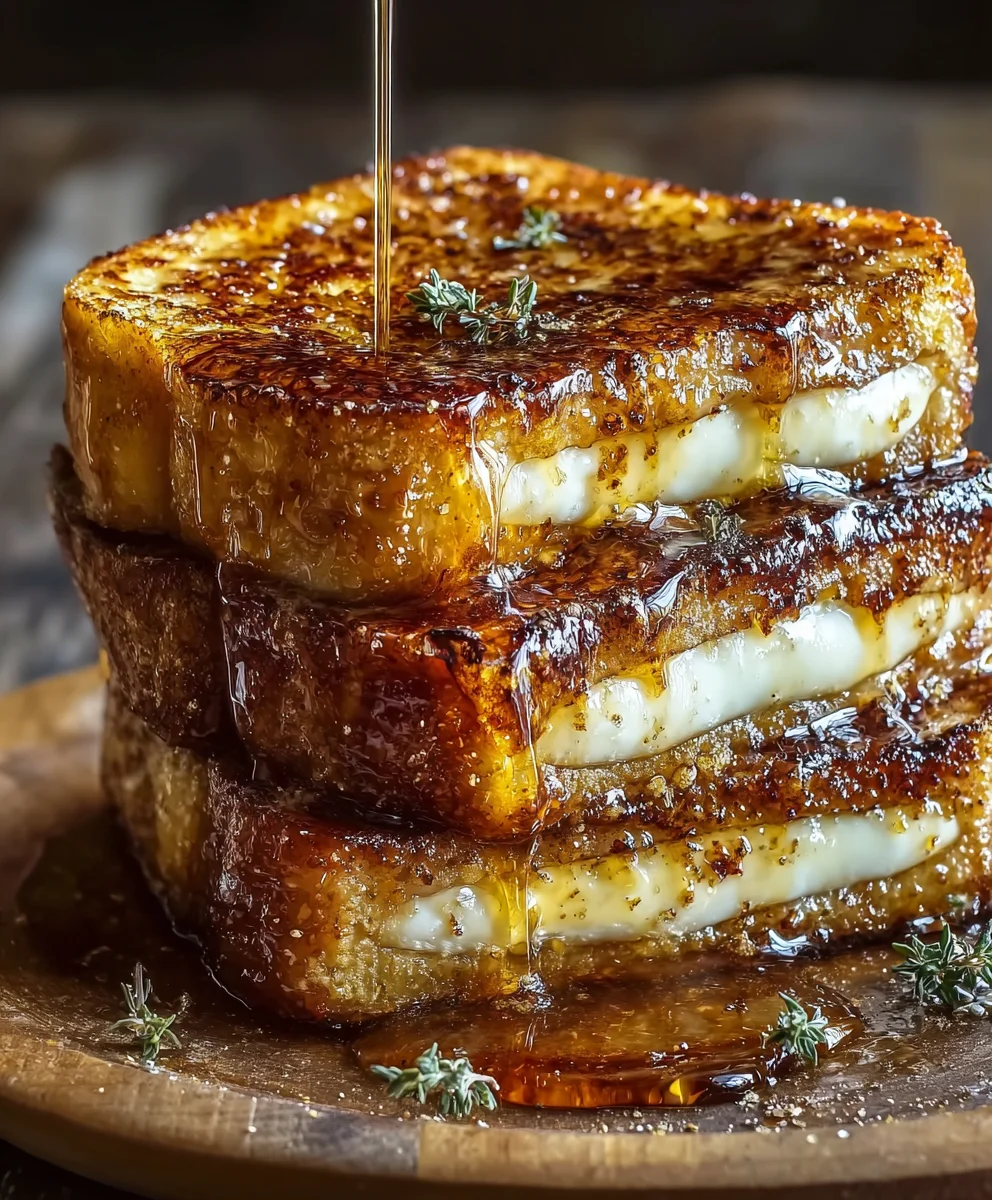
Now, sprinkle a generous tablespoon of granulated sugar evenly over the top of each slice of French toast. You want a nice, even coating. The sugar should completely cover the surface. You can use a kitchen torch to caramelize the sugar, melting it and turning it into a hard, glassy crust. Hold the torch a few inches away from the sugar and move it continuously in a circular motion until the sugar begin extracts to bubble, melt, and turn a rich amber color. Be patient, as this process can take a minute or two per slice. If you don’t have a kitchen torch, you can use your oven’s broiler. Place the baking sheet with the sugared French toast under a preheated broiler for 1-3 minutes, watching very carefully. The sugar will melt and caramelize quickly, and you don’t want it to burn. This step is what gives you that satisfying crack when you bite into it, just like a traditional crème brûlée.
Serving and Enjoying
Once your Crème Brûlée French Toast has its beautiful caramelized crust, it’s ready to be served. Serve immediately while the crust is still warm and slightly gooey. The contrast between the warm, soft interior and the crisp, caramelized topping is what makes this dish so special. Arrange the French toast slices on plates. For an extra decadent touch, you can dust them with a little powdered sugar, add a dollop of whipped cream, or garnish with fresh berries. A drizzle of your favorite maple syrup is also always a welcome addition. The aromas of vanilla, cinnamon, and caramelized sugar will fill your kitchen, signaling a truly indulgent breakfast or brunch. This Crème Brûlée French Toast is best enjoyed fresh, so gather your loved ones and savor this delightful creation.
Conclusion:
And there you have it – your guide to creating the most decadent and delightful Crème Brûlée French Toast! We’ve walked through each step to achieve that perfect balance of custardy richness and caramelized crunch, transforming your everyday breakfast into an extraordinary experience. This dish is truly a showstopper, perfect for lazy weekend brunches, special occasions, or simply when you want to treat yourself to something truly delicious. Don’t be intimidated by the “brûlée” part; it’s simpler than you think and yields such a rewarding result. I encourage you to give this recipe a try – you won’t be disappointed!
For serving, a dusting of powdered sugar and a few fresh berries are always a classic and elegant choice. A dollop of whipped cream or a drizzle of maple syrup can add another layer of indulgence. Feel free to experiment with variations! Adding a hint of orange zest or a splash of your favorite liqueur extract to the custard mixture can offer a delightful twist. For a more robust flavor, consider incorporating a pinch of cinnamon or nutmeg. The beauty of Crème Brûlée French Toast is its versatility; it’s a fantastic base for your culinary creativity.
Frequently Asked Questions:
Can I make the custard mixture ahead of time?
Yes, absolutely! You can prepare the custard mixture for your Crème Brûlée French Toast the night before and store it in the refrigerator. This will allow the flavors to meld and can even make soaking the bread more efficient. Just give it a good whisk before using.
What kind of bread is best for Crème Brûlée French Toast?
A slightly stnon-alcoholic ale, dense bread is ideal for this recipe. Brioche, challah, or even a good quality country loaf will soak up the custard beautifully without becoming mushy. Fresh bread can sometimes be too soft and might fall apart during the cooking process.
Crème Brûlée French Toast – Gourmet Brunch Delight
Indulge in a gourmet brunch experience with this decadent Crème Brûlée French Toast, featuring a rich custard base, perfectly soaked brioche, and a signature caramelized sugar crust.
Ingredients
-
1 loaf of brioche or challah bread (about 12-14 slices, ideally day-old)
-
4 large eggs
-
1 cup whole milk
-
1/2 cup heavy cream
-
1/2 cup granulated sugar
-
1 tablespoon pure vanilla extract
-
1/2 teaspoon ground cinnamon
-
A pinch of salt
Instructions
-
Step 1
In a large, shallow dish, whisk together 4 large eggs, 1 cup whole milk, 1/2 cup heavy cream, 1/2 cup granulated sugar, 1 tablespoon pure vanilla extract, 1/2 teaspoon ground cinnamon, and a pinch of salt until well combined and sugar is dissolved. -
Step 2
Slice 1 loaf of brioche or challah bread into 1-inch thick slices. Gently lay the bread slices into the custard mixture, ensuring they are fully submerged. Let soak for 2-3 minutes per side, until saturated but still holding their shape. -
Step 3
Heat a large non-stick skillet or griddle over medium heat. Add butter or cooking spray. Carefully place soaked bread slices onto the hot skillet, cooking in batches if necessary. -
Step 4
Cook for 3-5 minutes per side, until golden brown and slightly caramelized. The edges should be crisp while the center remains soft and creamy. -
Step 5
Transfer the cooked French toast to a baking sheet lined with parchment paper. Sprinkle a generous tablespoon of granulated sugar evenly over the top of each slice. -
Step 6
Caramelize the sugar using a kitchen torch or by placing under a preheated broiler for 1-3 minutes, watching very carefully until the sugar melts into a hard, glassy crust. -
Step 7
Serve immediately while the crust is warm and slightly gooey. Garnish with optional toppings like fresh berries, powdered sugar, whipped cream, or maple syrup.
Important Information
Nutrition Facts (Per Serving)
It is important to consider this information as approximate and not to use it as definitive health advice.
Allergy Information
Please check ingredients for potential allergens and consult a health professional if in doubt.