Easy Peach Freezing- Preserve Your Summer Harvest
Freezing peaches is one of the most rewarding ways to capture the fleeting sweetness of summer. There’s nothing quite like biting into a perfectly ripe peach, is there? That sun-kissed flavor, the juicy tenderness – it’s pure bliss. But what happens when your peach tree (or the farmer’s market) overflows with more deliciousness than you can possibly eat fresh? Freezing peaches becomes your delicious savior. It’s the secret to enjoying that incredible peach taste all year round, whether you’re craving a pie in January or a smoothie in the depths of winter. We all love peaches for their versatility and unmatched flavor, but what makes freezing peaches so special is how it preserves that vibrant essence, virtually unchanged, ready to be transformed into countless delightful dishes. It’s a simple process that unlocks a world of peach-infused possibilities.
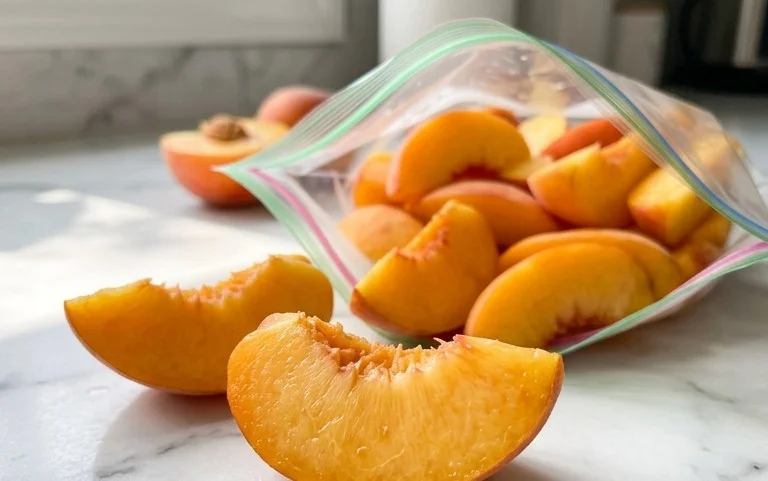
Freezing Peaches, How to Easily Freeze Peaches
There’s nothing quite like the taste of fresh, sun-ripened peaches. They’re perfect for enjoying straight from the tree, baked into pies, or blended into smoothies. But what happens when you have an abundance of this delicious fruit? Freezing is an incredibly simple and effective way to preserve that summer sweetness for months to come. Imagin extracte pulling a bag of perfectly frozen peaches out of your freezer in the dead of winter to whip up a delightful cobbler or a refreshing sorbet. It’s entirely achievable, and I’m going to walk you through the easiest method to ensure your frozen peaches are just as vibrant and flavorful as when they were fresh.
This method is straightforward and requires minimal fuss, focusing on retaining the texture and taste of your peaches. We’ll be using a simple sugar syrup and a bit of fruit protector to keep them looking and tasting their best. Don’t be intimidated by the process; it’s far less complicated than you might think!
Ingredients:
How to Easily Freeze Peaches
Freezing peaches is a fantastic way to capture their peak ripeness and enjoy them throughout the year. This process will ensure that when you thaw them out, they’ll still be delicious and retain much of their origin extractal texture and flavor. Let’s get started with preserving this wonderful summer fruit!
Preparation is Key
The first and most crucial step is to prepare your peaches. For one quart of peaches, you’ll want to select ripe but firm fruits. Overly ripe peaches can become mushy when frozen, so aim for a good balance. Wash them thoroughly under cool running water to remove any dirt or residue. Then, you’ll need to peel them. The easiest way to do this is to blanch them. Bring a pot of water to a rolling boil. While the water is heating, prepare an ice bath by filling a large bowl with ice and water. Carefully drop your peaches into the boiling water for about 30-60 seconds, just until you see the skins starting to loosen. Immediately remove them from the boiling water with a slotted spoon and plunge them into the ice bath. This shock will make the skins slip off effortlessly. Once cooled, you can easily peel them with your hands or a paring knife. After peeling, cut the peaches in half, remove the pits, and then slice them into your desired thickness. I prefer slices about half an inch thick, as they freeze well and are versatile for various uses.
Creating the Sugar Syrup
Now, let’s prepare the sugar syrup that will help preserve the color and texture of your peaches. In a medium saucepan, combine the 2/3 cup of sugar with 2 cups of water. Stir well over medium heat until the sugar is completely dissolved. You don’t need to boil the syrup; just ensure all the sugar crystals are gone. Once the sugar is dissolved, remove the saucepan from the heat and let the syrup cool slightly. While the syrup is cooling, it’s also time to prepare your Fruit Protector. Follow the package instructions for mixing the Fruit Protector with water, as the exact ratio can sometimes vary. Typically, you’ll be mixing it with a small amount of water to create a solution. This step is vital for preventing browning, which is a common issue with frozen fruits.
Protecting Your Peaches
Once your peaches are sliced and your sugar syrup has cooled to a warm or room temperature, it’s time to combine them. Place your sliced peaches into a large bowl. Gently pour the slightly cooled sugar syrup over the peaches. Now, add the prepared Fruit Protector solution to the bowl with the peaches and syrup. Gently toss everything together to ensure that all the peach slices are coated evenly with both the syrup and the Fruit Protector. You want to make sure every piece gets some of that protective goodness to maintain its appeal. Let the peaches sit in this mixture for about 10-15 minutes. This soaking time allows the Fruit Protector to work its magic and the syrup to start its preservation process, infusing a subtle sweetness and preventing oxidation.
Packagin extractg for the Freezer
After the peaches have had their soaking time, it’s time to package them for their journey to the freezer. You have a couple of excellent options here. You can either portion them into freezer-safe bags or use airtight freezer containers. If you’re using bags, I find it easiest to place the peaches directly from the bowl into the bags, leaving a little bit of the syrup with them. Try to remove as much air as possible from the bags before sealing them. This is crucial for preventing freezer burn. You can achieve this by using a straw to suck out the air, or by pressing down firmly on the bag as you seal it. If you’re using containers, simply ladle the peaches and a bit of the syrup into the containers, leaving about an inch of headspace at the top to allow for expansion during freezing. Label each bag or container with the date and contents. This way, you’ll know exactly what you have and when you put it away.
Freezing and Storage
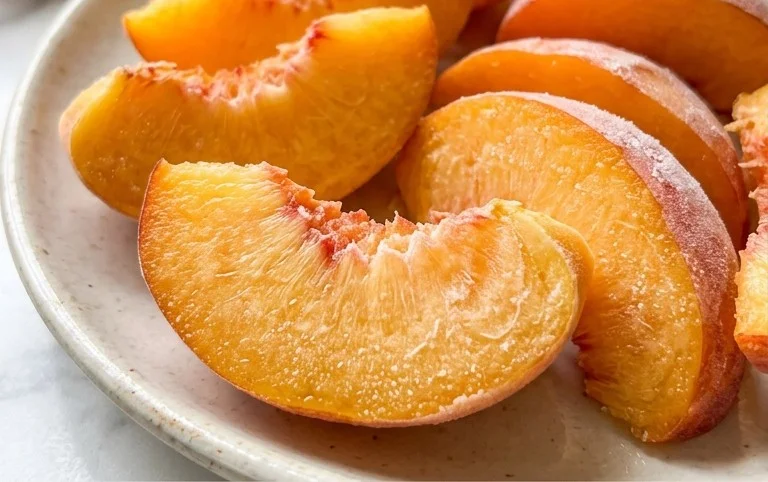
Once your peaches are neatly packaged, it’s time to place them in the freezer. Arrange the bags or containers in a single layer on a flat surface in your freezer. This initial flat freezing helps prevent the peaches from clumping together, making them easier to portion out later. Once they are completely frozen, which typically takes about 4-6 hours, you can then rearrange them to make more space in your freezer. Frozen peaches can be stored for up to 10-12 months. When you’re ready to use them, you can thaw them in the refrigerator overnight, or use them directly in cooked dishes like pies, crum extractbles, or sauces where a bit of thawing during cooking is perfectly fine. Enjoy your homemade frozen peaches all year round!
Conclusion:
Freezing peaches is a fantastic way to preserve the taste of summer and enjoy those juicy delights year-round. This simple method ensures your peaches maintain their vibrant color and delicious flavor, making them incredibly versatile. You’ll find yourself reaching for these frozen treasures for all sorts of culinary creations. Imagin extracte a warm, comforting peach cobbler on a chilly evening, or a refreshing peach smoothie to beat the heat. They’re also perfect for adding a burst of sweetness to muffins, pancakes, or even savory dishes like beef tenderloin. Don’t be afraid to experiment! You can try freezing sliced peaches with a sprinkle of cinnamon for a quick dessert topping, or blend them into a sorbet base. The possibilities are truly endless. So, go ahead and give this easy method a try – I promise you won’t regret stocking your freezer with these golden gems!
Frequently Asked Questions about Freezing Peaches:
How long do frozen peaches last?
Properly frozen peaches can last in the freezer for about 8-12 months. For the best quality and flavor, aim to use them within the first year.
Can I freeze peaches without peeling them?
While you can freeze peaches with the skin on, it’s generally recommended to peel them for a better texture and easier use in most recipes. The skin can become a bit leathery after freezing. If you’re in a hurry, a quick blanching in hot water will loosen the skins for easy removal.
What’s the best way to thaw frozen peaches?
For most recipes, you can use the peaches directly from frozen. If you need them thawed, the best method is to transfer them to the refrigerator overnight. This allows them to thaw gradually, maintaining their texture and preventing them from becoming too mushy. Avoid thawing at room temperature, as this can lead to spoilage.
Freezing Peaches, How to Easily Freeze Peaches
A simple guide to preserving the sweetness of fresh peaches by freezing them for later use.
Ingredients
-
1 quart peaches, ripe but firm
-
2/3 cup sugar
-
3 teaspoons fruit protector
-
1/4 teaspoon ground cinnamon
-
1/8 teaspoon ground nutmeg
-
1 tablespoon lemon juice
Instructions
-
Step 1
Wash peaches thoroughly under cool running water. -
Step 2
Peel, pit, and slice peaches into desired sections. Aim for uniformity. -
Step 3
In a large bowl, gently toss the peach slices with sugar, fruit protector, cinnamon, nutmeg, and lemon juice until evenly coated. -
Step 4
Carefully pack the coated peach slices into freezer-safe containers or bags, leaving about 1/2 inch headspace for expansion. -
Step 5
Remove as much air as possible from bags before sealing. For containers, press down to minimize air pockets. -
Step 6
Label containers with the date and contents. Freeze immediately.
Important Information
Nutrition Facts (Per Serving)
It is important to consider this information as approximate and not to use it as definitive health advice.
Allergy Information
Please check ingredients for potential allergens and consult a health professional if in doubt.