Easy Shrimp Risotto with Peas Recipe
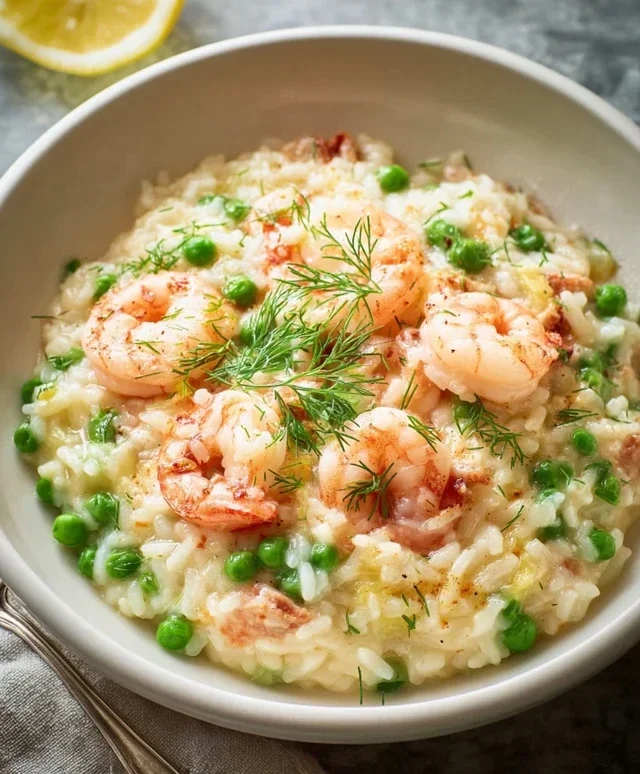
Shrimp Risotto with Peas is a dish that whispers of spring and sings of creamy, comforting indulgence. There’s something truly magical about that first spoonful, the way the perfectly cooked Arborio rice cradles plump, sweet shrimp and bright, tender peas in a velvety embrace. It’s no wonder this classic Italian-inspired creation holds such a special place in our hearts and on our dinner tables. What makes this shrimp risotto so utterly irresistible? It’s the beautiful balance of textures and flavors: the delicate brininess of the shrimp, the subtle sweetness of the peas, all brought together by the luxurious creaminess of the risotto itself. Whether you’re looking to impress guests or simply treat yourself to a truly satisfying meal, this shrimp risotto is a winner every single time.
Why You’ll Love This Recipe
A Taste of Spring in Every Bite
Shrimp Risotto with Peas
There’s something incredibly comforting and elegant about a creamy, vibrant risotto. This Shrimp Risotto with Peas is a perfect example – it’s sophisticated enough for a special occasion but surprisingly approachable for a weeknight meal. The sweetness of the peas, the briny pop of shrimp, and the bright tang of lemon come together in a harmonious symphony of flavors, all swirled into a luxurious bed of perfectly cooked Arborio rice. The subtle hint of fennel adds an unexpected layer of complexity that truly elevates this dish.
Risotto can sometimes feel intimidating, but with a little patience and attention, you’ll find it’s a wonderfully rewarding cooking experience. The key is to develop that characteristic creaminess through the slow release of starch from the rice, and this recipe guides you through each step to achieve that perfect texture. Let’s gather our ingredients and get started on this delightful culinary adventure!
Ingredients:
Getting Started: Preparing the Stock
The foundation of a great risotto is a flavorful stock. For this dish, fish or seafood stock is ideal, as it complements the shrimp beautifully. You’ll want to have your stock warm and ready to go before you begin extract cooking the rice. Gently heat the 2 ¾ cups of fish or seafood stock in a saucepan over medium-low heat. It doesn’t need to be boiling, but keeping it warm ensures that when you add it to the rice, it doesn’t shock the grains and interrupt the cooking process. A simmering stock helps maintain a consistent temperature, which is crucial for developing that creamy texture.
Sautéing the Aromatics
In a wide, heavy-bottomed pan or Dutch oven, heat 1 tablespoon of butter and 1 tablespoon of extra-virgin extract olive oil over medium heat. This combination of fats adds a lovely richness and helps prevent the oil from burning. Once the butter has melted and is slightly foamy, add your minced shallot (or onion). Cook, stirring occasionally, until the shallot is softened and translucent, about 3-5 minutes. You don’t want it to brown too much, just to become sweet and aromatic. Then, add the minced garlic and the ½ teaspoon of crushed fennel seeds. Stir and cook for another minute until fragrant. Be careful not to burn the garlic, as this can impart a bitter taste to your risotto. The fennel seeds will release their fragrant oils, infusing the base with a subtle, intriguing aroma.
Toasting the Rice
Now it’s time to add the star of the show: the risotto rice. I recommend using Arborio, Carnaroli, or Vialone Nano rice, as these varieties have a high starch content that will break down and create that signature creamy texture. Add the 5 oz of risotto rice to the pan with the aromatics. Stir the rice constantly for about 1-2 minutes, until the edges of the grains appear slightly translucent. This step, known as toasting the rice, is important because it helps the grains absorb liquid more evenly and prevents them from becoming mushy. It also adds a subtle nutty flavor to the risotto.
Deglazing and Gradual Liquid Addition
Pour in the ½ cup of dry white grape juice. Stir continuously until the grape juice has been completely absorbed by the rice. This step, called deglazing, not only adds a wonderful depth of flavor from the grape juice but also helps to lift any flavorful bits that may have stuck to the bottom of the pan. Once the grape juice has evaporated, begin extract adding the warm stock, one ladleful at a time. Stir the rice frequently, waiting until each ladleful of stock is almost completely absorbed before adding the next. This gradual addition and constant stirring is the secret to achieving a perfectly creamy risotto. It encourages the rice to release its starches, which emulsify with the liquid to create that luxurious texture. Continue this process for about 18-20 minutes, or until the rice is al dente – tender but still with a slight bite in the center. Don’t rush this step; the patience is worth it!
Incorporating the Peas and Shrimp
When the rice is nearly cooked to your liking, stir in the ½ cup of thawed frozen peas (or fresh shelled peas). Cook for just a minute or two until they are tender and bright green. Then, gently fold in the ½ lb of cooked small shrimp. You just want to warm the shrimp through, so avoid overcooking them, as they can become tough.
Finishing Touches and Serving
Remove the pan from the heat. Stir in the 1 oz of finely grated Pecorino Romano cheese, the 1 teaspoon of finely grated lemon zest, and the 2 tablespoons of lemon juice. The Pecorino Romano will add a salty, savory punch, while the lemon zest and juice provide a vibrant, fresh counterpoint to the richness of the risotto. Taste and adjust seasoning if necessary, though the cheese and stock often provide enough salt. The risotto should be loose and creamy; if it seems a bit too thick, you can add a splash more warm stock. Serve immediately, garnished with fresh dill leaves and a drizzle of extra-virgin extract olive oil. Enjoy the delicious fruits of your labor!
Conclusion:
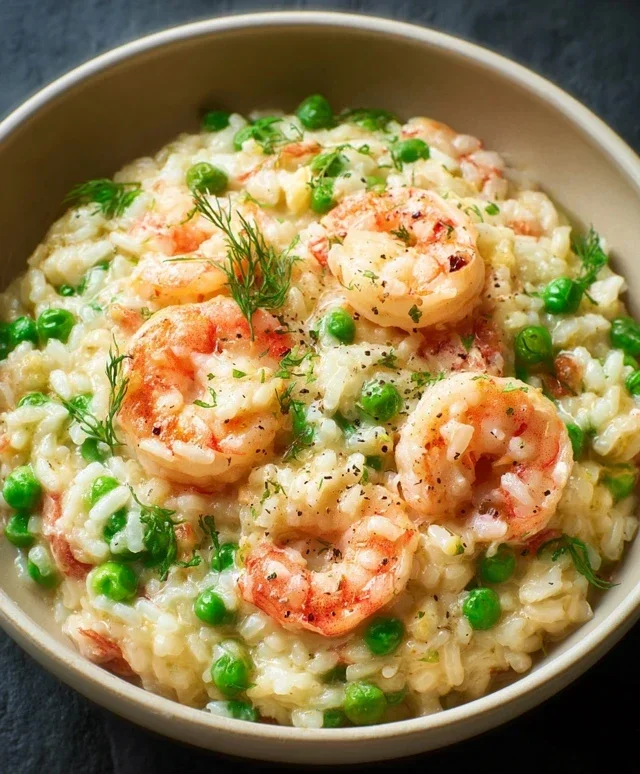
I hope you’re as excited as I am to dive into this delicious Shrimp Risotto with Peas! This recipe is a winner because it’s both elegant enough for a special occasion and surprisingly approachable for a weeknight meal. The creamy Arborio rice, perfectly cooked plump shrimp, and sweet pop of fresh peas create a symphony of textures and flavors that is truly comforting and satisfying. It’s a fantastic way to showcase fresh ingredients and impress your friends and family without spending hours in the kitchen. I truly believe this Shrimp Risotto with Peas will become a go-to favorite for you.
For serving, a crisp white grape juice like a Sauvignon Blanc or Pinot Grigio pairs beautifully. A simple side salad with a lemon vinaigrette will cut through the richness. If you’re feeling adventurous, consider adding a sprinkle of fresh parsley or a drizzle of good quality olive oil before serving. Don’t be afraid to experiment with variations! You could swap the shrimp for scallops or mussels, or add a pinch of red pepper flakes for a touch of heat. The possibilities are endless!
Frequently Asked Questions:
What if I don’t have Arborio rice?
While Arborio rice is ideal for risotto due to its starch content, which creates that signature creaminess, you can substitute it with Carnaroli or Vialone Nano rice if available. In a pinch, other short-grain rice varieties might work, but the texture might be slightly different. Avoid long-grain rices.
Can I make this recipe ahead of time?
Risotto is best enjoyed fresh, as it can lose its creamy texture and consistency when reheated. However, you can partially prepare it by cooking the rice and vegetables and storing the shrimp separately. Then, gently reheat the rice mixture and add the shrimp and peas at the end to warm through before serving.
How can I make my risotto extra creamy?
The key to creamy risotto lies in the slow addition of hot broth and constant stirring. This agitation releases the starch from the Arborio rice. Also, finishing with a knob of butter and a generous grating of Parmesan cheese at the end adds a wonderful richness and silkiness.
Shrimp Risotto with Peas
A creamy and flavorful shrimp risotto featuring sweet peas and bright lemon.
Ingredients
-
2 ¾ cups fish or seafood stock
-
1 tbsp butter
-
1 tbsp extra-virgin olive oil
-
1 shallot, minced
-
1 clove garlic, minced
-
½ tsp crushed fennel seeds
-
5 oz risotto rice (Arborio, Carnaroli, or Vialone Nano)
-
½ cup dry white grape juice
-
½ cup frozen peas, thawed
-
½ lb cooked small shrimp
-
1 oz finely grated Pecorino Romano cheese
-
1 tsp finely grated lemon zest
-
2 tbsp lemon juice
-
Fresh dill leaves
Instructions
-
Step 1
Warm the fish or seafood stock in a saucepan over low heat. -
Step 2
In a separate large skillet or Dutch oven, melt the butter with the olive oil over medium heat. Add the minced shallot and cook until softened, about 3-4 minutes. Add the minced garlic and crushed fennel seeds and cook for another minute until fragrant. -
Step 3
Add the risotto rice to the skillet and toast for 1-2 minutes, stirring constantly, until the edges of the grains are translucent. -
Step 4
Pour in the white grape juice and stir until it is completely absorbed by the rice. Begin adding the warm stock, one ladleful at a time, stirring frequently and waiting until each addition is absorbed before adding the next. Continue this process for about 18-20 minutes, or until the rice is creamy and al dente. -
Step 5
Stir in the peas and cooked shrimp and cook for another 2-3 minutes until heated through. -
Step 6
Remove from heat. Stir in the grated Pecorino Romano cheese, lemon zest, and lemon juice. Season with salt and pepper to taste. Garnish with fresh dill leaves and a drizzle of extra-virgin olive oil.
Important Information
Nutrition Facts (Per Serving)
It is important to consider this information as approximate and not to use it as definitive health advice.
Allergy Information
Please check ingredients for potential allergens and consult a health professional if in doubt.