Flavorful Chimichurri Sauce- Easy Recipe
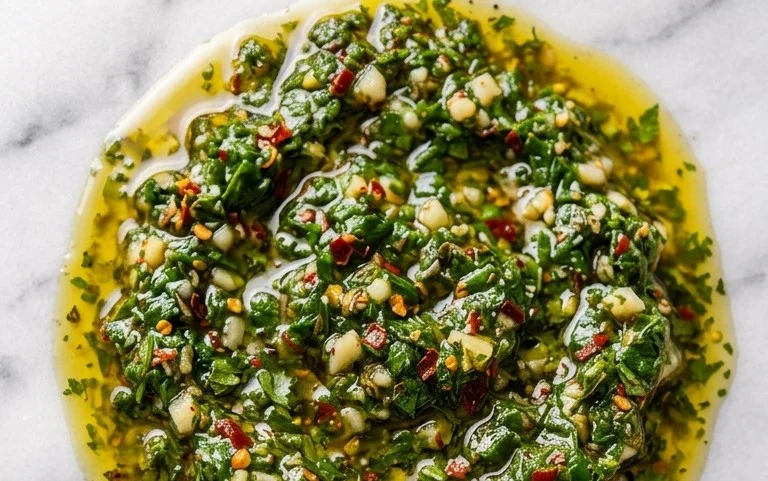
Chimichurri sauce is more than just a condiment; it’s an experience. This vibrant, herb-packed elixir hails from Argentina and Uruguay, and it’s easy to see why it has captivated palates worldwide. Forget boring steak sauces; chimichurri sauce is here to revolutionize your grilling game and elevate everything it touches. Its magic lies in its simplicity and the incredible freshness of its core ingredients: parsley, oregano, garlic, and a bright splash of vinegar and olive oil. This isn’t just about adding flavor; it’s about infusing your food with a zesty, garlicky, herbaceous punch that cuts through richness and awakens your senses. Whether you’re slathering it on perfectly grilled steak, drizzling it over roasted vegetables, or even using it as a marinade, chimichurri sauce brings an undeniable zest and character that keeps people coming back for more. Get ready to discover your new favorite go-to sauce!
Chimichurri Sauce: The Vibrant Argentinean Condiment You Need to Master
There are some sauces that just elevate everything they touch, and chimichurri is unequivocally one of them. This bright, herbaceous, and slightly tangy condiment hails from Argentina and Uruguay, where it’s traditionally served with grilled meats, particularly steak. But its versatility knows no bounds! I find myself drizzling it over roasted vegetables, grilled fish, chicken, and even scooping it up with crusty bread. Once you make your own chimichurri, you’ll understand the addictive quality of this simple yet incredibly flavorful sauce. Forget those store-bought versions that often lack the freshness and punch of the real deal. Making chimichurri from scratch is surprisingly easy and takes mere minutes, but the resulting burst of flavor is truly a game-changer for your culinary repertoire. This recipe is my go-to, perfectly balancing the fresh herbs with a hint of acidity and just enough garlic to sing.
Ingredients:
Instructions:
Look for fresh parsley with vibrant green leaves and no wilting.
*Use a good quality extra virgin extract olive oil for the best flavor.
Conclusion:
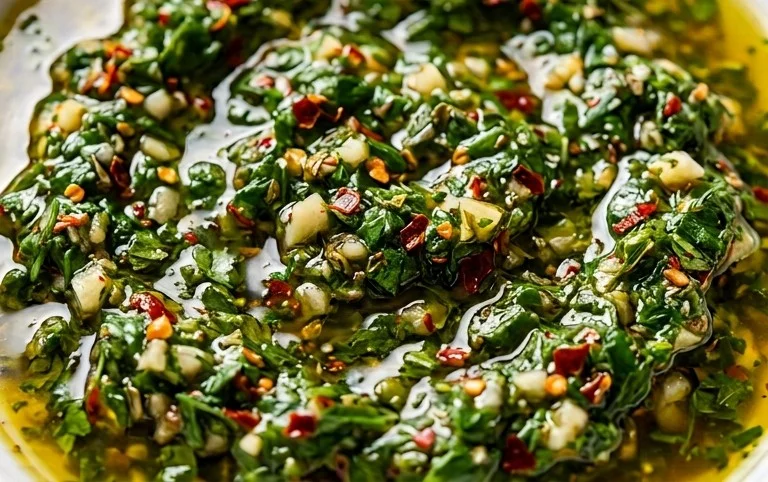
There you have it – a straightforward guide to creating your own vibrant and flavorful chimichurri sauce! This recipe is truly fantastic because it’s incredibly fresh, bursting with herbaceous goodness from the parsley and oregano, and offers a delightful tang from the vinegar and a subtle kick from the chili flakes. It’s so simple to make, requiring minimal prep and no cooking, making it the perfect condiment to elevate any meal in minutes. I find it transforms even the simplest grilled chicken or steak into something truly special.
The beauty of chimichurri lies in its versatility. While it’s a classic accompaniment to grilled meats like steak, lamb, and chicken, I also love drizzling it over roasted vegetables, spooning it onto fish, or even using it as a dressing for salads. Don’t be afraid to experiment! You can adjust the amount of garlic, chili, and vinegar to suit your personal taste. Some people enjoy adding a touch of mint for an extra layer of freshness, or even a hint of lemon zest for added brightness. I encourage you all to give this incredible chimichurri sauce recipe a try; I’m confident you’ll find it becomes a staple in your kitchen.
Frequently Asked Questions:
How long does chimichurri sauce last?
When stored properly in an airtight container in the refrigerator, homemade chimichurri sauce can last for up to 5 days. The fresh herbs will start to lose their vibrancy after that, but it’s still safe to consume.
Can I make chimichurri sauce ahead of time?
Absolutely! In fact, chimichurri sauce often tastes even better after it has had a chance to sit for at least 30 minutes in the refrigerator. This allows the flavors to meld together beautifully. It’s a perfect make-ahead condiment for parties or busy weeknights.
What if I don’t have fresh oregano?
If fresh oregano isn’t available, you can substitute it with dried oregano. However, you’ll need to use a smaller amount, typically about one-third of the fresh quantity. For example, if the recipe calls for 2 tablespoons of fresh oregano, use about 2 teaspoons of dried oregano.
Chimichurri Sauce
A vibrant and herbaceous Argentinian sauce, perfect for grilled meats, especially pork and beef, or as a versatile condiment.
Ingredients
-
1 1/2 cups well packed (42g) fresh parsley
-
1/2 cup well packed (20g) fresh cilantro
-
1/4 cup (9g) fresh oregano or 1 tsp dried
-
1/4 small red onion or one small shallot
-
3 garlic cloves
-
3 Tbsp red grape juice vinegar
-
2 Tbsp fresh lemon juice
-
1/2 tsp salt, (then more to taste)
-
1/4 tsp red pepper flakes ((optional, more or less to taste))
-
3/4 cup olive oil
Instructions
-
Step 1
Finely chop the fresh parsley, cilantro, oregano (if using fresh), red onion (or shallot), and garlic. You can use a food processor for a quicker method, pulsing until finely minced but not a paste. -
Step 2
In a medium bowl, combine the chopped herbs, onion/shallot, and garlic. -
Step 3
Add the red grape juice vinegar, fresh lemon juice, salt, and red pepper flakes (if using) to the bowl. Stir well to combine. -
Step 4
Slowly drizzle in the olive oil while whisking continuously until the sauce is well emulsified. Alternatively, you can add the oil and whisk vigorously or pulse in a food processor. -
Step 5
Taste and adjust seasoning as needed, adding more salt, vinegar, lemon juice, or red pepper flakes to your preference. -
Step 6
For best flavor, let the chimichurri sauce sit for at least 15-30 minutes at room temperature or refrigerate for longer to allow the flavors to meld. Serve at room temperature.
Important Information
Nutrition Facts (Per Serving)
It is important to consider this information as approximate and not to use it as definitive health advice.
Allergy Information
Please check ingredients for potential allergens and consult a health professional if in doubt.