Creamy Mango Sago Recipe- Easy Dessert Delight
Creamy Mango Sago is more than just a dessert; it’s a velvety embrace of tropical sunshine and pure bliss. Have you ever craved a taste of pure paradise, a dish that instantly transports you to a sun-drenched beach with every spoonful? That’s exactly what this delightful concoction offers! We love Creamy Mango Sago for its utterly satisfying texture – the chewy sago pearls nestled within a lusciously smooth, mango-infused cream. It’s a beautiful harmony of sweet, slightly tart mango and a cooling, decadent base that’s incredibly refreshing. What truly makes this dessert special is its deceptively simple elegance. It feels incredibly indulgent, yet it’s surprisingly easy to whip up, making it perfect for impressing guests or simply treating yourself to a moment of pure joy. Get ready to fall in love with the ultimate tropical indulgence!
Creamy Mango Sago: A Tropical Dream Dessert
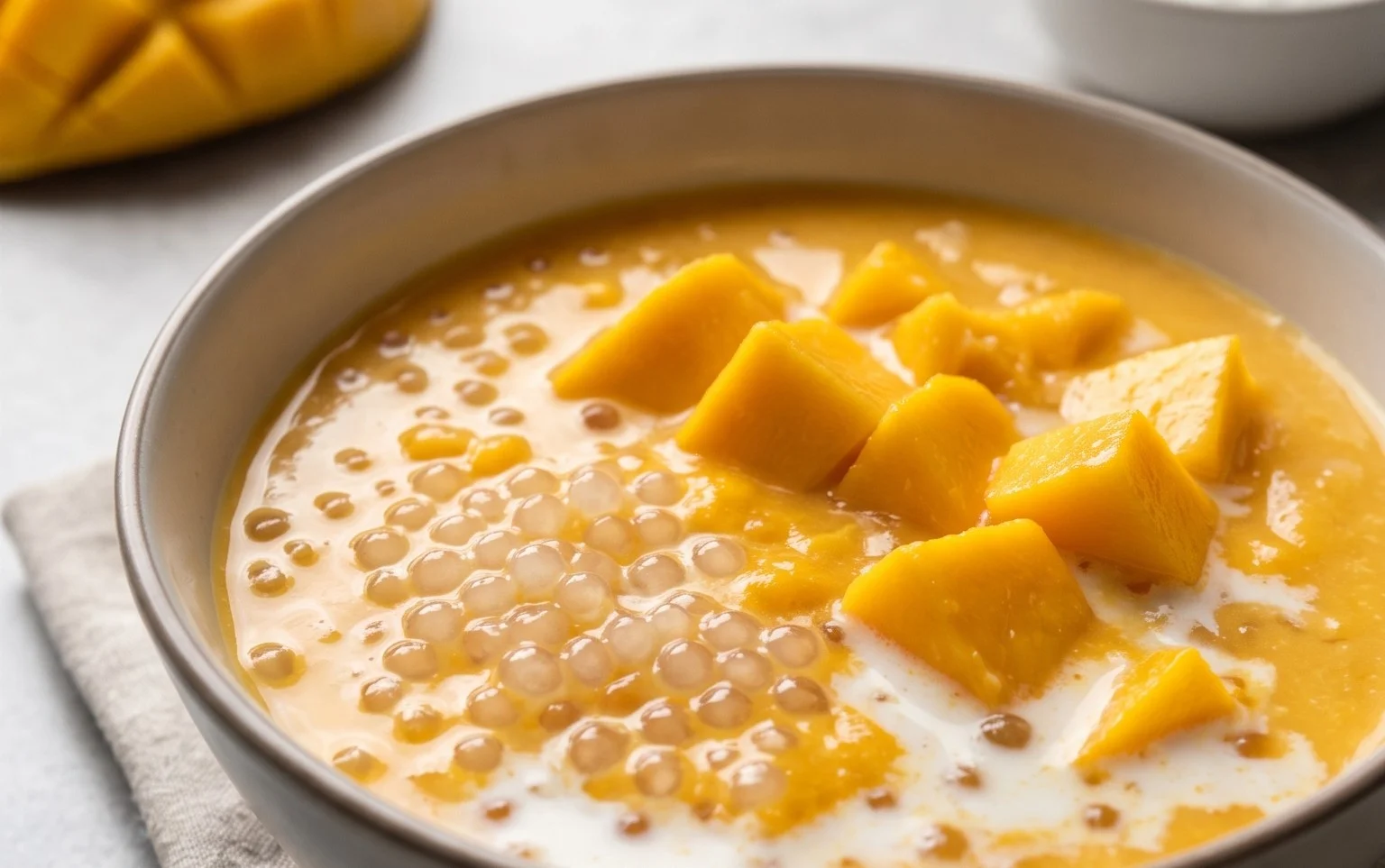
There’s something undeniably magical about the combination of sweet, ripe mangoes and chewy sago pearls. This Creamy Mango Sago dessert is a taste of pure tropical bliss, a refreshing and decadent treat that’s surprisingly easy to make. Imagin extracte vibrant, sun-ripened mangoes, their flesh melting in your mouth, mingling with tender little tapioca pearls, all bathed in a luscious, creamy coconut milk base. It’s the perfect way to end a meal, a delightful afternoon snack, or even a light dessert for a special occasion. The beauty of this recipe lies in its simplicity and the quality of its ingredients. When you have fantastic mangoes, the rest just falls into place. Let’s dive into creating this irresistible dessert.
Ingredients:
Preparing the Sago Pearls
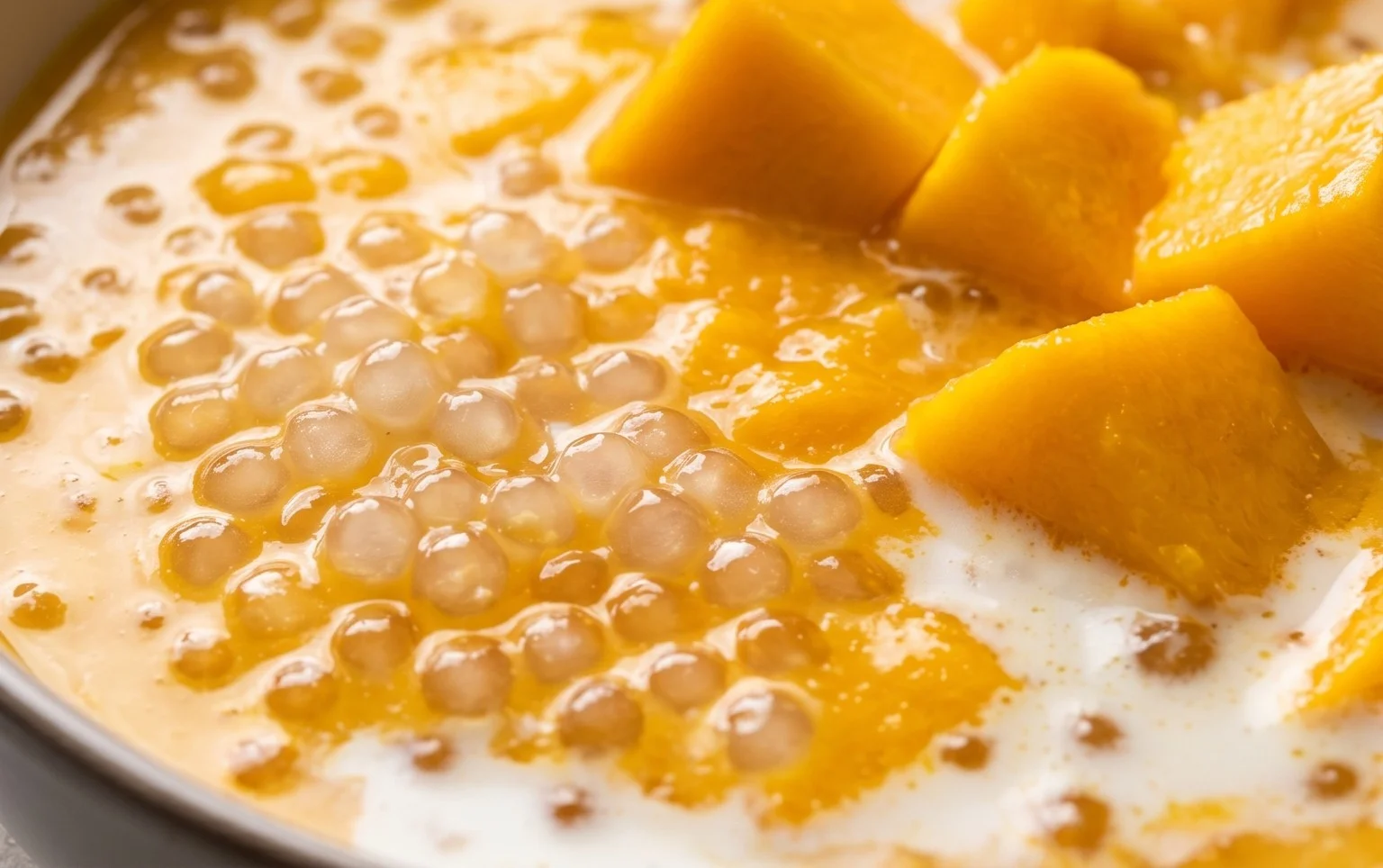
The foundation of our creamy mango sago lies in perfectly cooked sago pearls. These tiny spheres, when cooked correctly, offer a delightful chewy texture that contrasts beautifully with the smooth mango and creamy liquid. The key here is to prevent them from clumping together and to cook them until they are translucent.
1. Start by bringin extractg a pot of water to a rolling boil. You’ll want enough water to generously cover the sago pearls, about 4-5 cups. Once the water is boiling vigorously, carefully add the 1/4 cup of uncooked small tapioca or sago pearls. Stir them immediately and continuously for the first minute or so. This initial stirring is crucial to prevent them from sticking to the bottom of the pot and clumping together.
2. Continue to cook the sago pearls over medium heat, stirring occasionally, for about 10-15 minutes, or until they are mostly translucent. You’ll know they are ready when you can no longer see a distinct white starchy center, and the pearls appear like little glassy beads. Don’t be alarmed if a few still have a tiny opaque dot; they will continue to cook in the residual heat. Once cooked, immediately drain the sago pearls into a fine-mesh sieve. Rinse them thoroughly under cold running water. This rinsing step is very important as it washes away any excess starch and stops the cooking process, preventing them from becoming mushy or sticky. Set the rinsed sago aside to drain completely.
Mango Preparation and Creamy Base
While the sago is draining, let’s focus on the star of our dessert – the mangoes – and prepare the luscious creamy base that will bring everything together. The sweetness and fragrance of ripe mangoes are unparalleled, and they form the heart of this dessert.
3. Begin extract by preparing the mangoes. Wash them thoroughly. For Cbeef hampagne or yellow mangoes, the flesh is typically sweet, tender, and less fibrous, making them ideal for this dessert. You can either peel the mangoes and dice the flesh into bite-sized cubes, or you can slice off the flesh from the pit and then scoop it out with a spoon. Reserve about half of the diced mango for garnishing later. The remaining half will be blended into the creamy base for an intensified mango flavor and vibrant color.
4. In a blender or food processor, add the reserved half of the diced mango along with the 1/4 cup of sweetened condensed milk and 3/4 cup of evaporated milk. Blend until the mixture is completely smooth and creamy. Taste this mixture. If your mangoes are not very sweet, you might want to add a little more sweetened condensed milk or a tablespoon of sugar. The goal is a beautifully smooth, sweet, and mango-forward liquid. Once blended, pour this mango mixture into a large serving bowl.
Assembling and Chilling
The final steps involve combining all the elements and allowing the flavors to meld together in the refrigerator. This chilling period is essential for the dessert to achieve its perfect texture and for the flavors to fully develop.
5. To the serving bowl containing the blended mango mixture, add the fully drained sago pearls. Gently stir them in, ensuring they are evenly distributed throughout the liquid. Now, pour in the 3/4 cup of full-fat coconut milk. Stir everything together until well combined. The coconut milk adds a rich, tropical depth and a beautiful creamy consistency to the dessert. If you prefer a less intense coconut flavor, you can adjust the amount or use a lighter coconut milk, but for that classic Creamy Mango Sago experience, full-fat is recommended.
6. Gently fold in the remaining diced mango cubes that you set aside for garnish. These will provide pops of fresh mango flavor and texture within the chilled dessert. Cover the bowl tightly with plastic wrap or a lid and refrigerate for at least 2-3 hours, or preferably until well chilled. This chilling time allows the sago pearls to absorb some of the liquid and soften further, while the flavors meld into a harmonious symphony of sweet mango, creamy coconut, and chewy sago.
Serve your Creamy Mango Sago chilled, perhaps in individual bowls or glasses. You can even add a sprig of mint or a sprinkle of toasted coconut flakes for an extra touch of elegance and flavor. This dessert is a simple yet luxurious indulgence that captures the essence of a tropical paradise in every spoonful. Enjoy!
Conclusion:
I hope you’ve enjoyed learning how to create this delightful Creamy Mango Sago! This dessert is truly a winner because it strikes the perfect balance between creamy indulgence and refreshing tropical flavor, all while being surprisingly simple to whip up. The tender sago pearls combined with the sweet, vibrant mango create a textural and taste sensation that’s utterly irresistible. It’s the ideal dessert for warm weather, a special occasion, or simply when you’re craving a taste of paradise.
I love serving this Creamy Mango Sago chilled, garnished with a few fresh mango cubes and a sprinkle of toasted coconut flakes for an extra crunch. It’s also fantastic on its own as a light and satisfying treat after any meal. Don’t be afraid to experiment with variations! You could try adding a splash of coconut milk for an even richer flavor, or perhaps a hint of lime zest for a bright citrusy twist. Some people even enjoy adding a touch of condensed milk for extra sweetness. The beauty of this recipe is its versatility.
So, please, give this Creamy Mango Sago a try! I’m confident you’ll fall in love with its simple elegance and delicious taste. It’s a recipe that’s sure to become a favorite in your dessert repertoire.
Frequently Asked Questions:
Can I make this Creamy Mango Sago ahead of time?
Absolutely! This dessert is actually best when made a few hours in advance, allowing the flavors to meld beautifully and the sago pearls to absorb the creamy liquid. Store it covered in the refrigerator for up to 2 days. You might need to stir it gently before serving, as it can thicken slightly.
What kind of mangoes are best to use?
For the most vibrant color and sweet flavor, ripe Ataulfo (honey) mangoes or Alphonso mangoes are fantastic choices. However, any ripe, sweet mango variety will work wonderfully. The key is to use mangoes that are soft to the touch and have a strong, sweet aroma.
My sago pearls are clumped together. How can I prevent this?
To prevent sago pearls from clumping, it’s crucial to rinse them thoroughly under cold water after cooking and before adding them to the other ingredients. Stirring them frequently while they are cooking also helps to keep them separated. Ensure you’re using the correct ratio of water to sago when boiling according to package directions.
Creamy Mango Sago
A delightful and creamy dessert featuring sweet mangoes and chewy sago pearls, perfect for a tropical treat.
Ingredients
-
3 ripe Champagne (yellow) mangoes
-
1/4 cup uncooked small tapioca or sago pearls
-
1/4 cup sweetened condensed milk
-
3/4 cup evaporated milk
-
3/4 cup full fat coconut milk (unsweetened)
Instructions
-
Step 1
Cook sago pearls according to package directions. Drain and rinse with cold water. Set aside. -
Step 2
Peel and cube 2 of the mangoes. Reserve the remaining mango for garnish. -
Step 3
In a blender, combine the cubed mangoes, sweetened condensed milk, evaporated milk, and coconut milk. Blend until smooth and creamy. -
Step 4
Gently stir the cooked sago pearls into the mango mixture. -
Step 5
Chill the dessert in the refrigerator for at least 30 minutes to allow flavors to meld and to achieve a cold serving temperature. -
Step 6
Serve the creamy mango sago chilled, garnished with fresh mango cubes or slices.
Important Information
Nutrition Facts (Per Serving)
It is important to consider this information as approximate and not to use it as definitive health advice.
Allergy Information
Please check ingredients for potential allergens and consult a health professional if in doubt.