Easy Miso Soup Recipe- Quick & Delicious
Miso soup recipe – it’s more than just a starter; it’s a warm, comforting embrace in a bowl. Have you ever found yourself craving that distinctive, savory umami explosion that only a perfectly brewed miso soup can deliver? There’s a reason this humble Japanese staple is loved worldwide. It’s incredibly versatile, offering a delicate balance of salty, sweet, and deeply satisfying flavors that can be customized to your heart’s content. What truly makes miso soup special is its simplicity and the profound depth of taste achieved with just a few key ingredients. Our easy-to-follow miso soup recipe will guide you through creating this soulful dish, transforming your kitchen into a haven of aromatic goodness. Get ready to discover how simple it is to bring a touch of authentic Japanese comfort to your table with this delightful miso soup recipe.
Miso Soup Recipe
Miso soup, a staple in Japanese cuisine, is more than just a side dish; it’s a comforting embrace in a bowl. Its delicate, savory flavor and nourishing properties make it perfect for any time of day, whether it’s a light breakfast, a warming accompaniment to lunch, or a soothing end to dinner. The beauty of miso soup lies in its simplicity and the depth of flavor that a few key ingredients can create. My recipe focuses on bringin extractg out the best of these elements, ensuring a truly authentic and satisfying experience. I love how adaptable it is too, allowing for personal touches and variations. This recipe is designed to be straightforward, even for begin extractners, so you can enjoy a delicious bowl of homemade miso soup without any fuss.
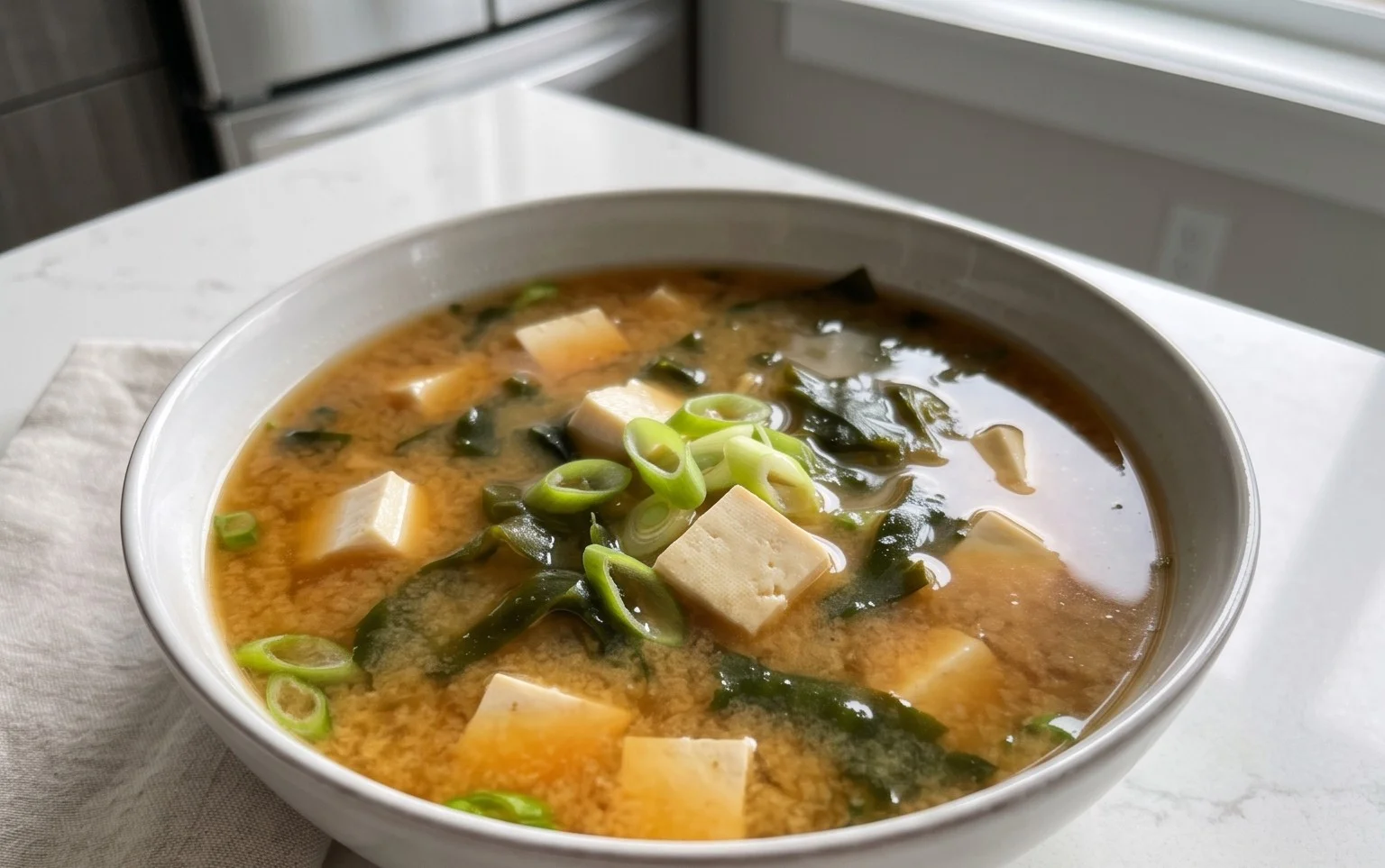
The foundation of any great miso soup is dashi, a Japanese broth that provides a subtle yet essential umami base. While you can buy pre-made dashi, making your own is surprisingly easy and yields a superior flavor. The dried seaweed, or kombu, gently infuses the water, while bonito flakes (optional but highly recommended for traditional flavor) add a smoky, fishy depth. Silken tofu offers a creamy texture that melts in your mouth, and of course, miso paste is the star, lending its unique fermented soybean goodness. Finally, fresh scallions add a bright, herbaceous finish. Let’s gather our ingredients and embark on this simple yet rewarding culinary journey.
Ingredients:
Preparing the Dashi (If not using pre-made)
If you’re starting from scratch with your dashi, the first step is crucial for building that foundational flavor. In a medium saucepan, combine 2½ cups of cold water with a 4-inch piece of kombu (dried kelp). Gently wipe the kombu with a damp cloth to remove any grit, but avoid washing away the white powder, as this contains a lot of umami. Let the kombu soak in the water for at least 30 minutes, or even better, several hours or overnight in the refrigerator. This slow infusion extracts the delicate flavor from the kombu without bitterness. After soaking, heat the water over medium heat. Just before the water comes to a boil, remove the kombu. Boiling kombu can make the dashi bitter. If you are making a more robust dashi with bonito flakes, add about ½ cup of katsuobushi (bonito flakes) to the water after removing the kombu, bring it to a gentle simmer, and cook for about 30 seconds. Then, remove from heat and let it steep for 5-10 minutes. Strain the dashi through a fine-mesh sieve lined with cheesecloth or a paper towel to remove all the solids, leaving you with a clear, flavorful broth. This prepared dashi is now ready to be used in your miso soup.
Assembling the Miso Soup
1. Gentle Heating of Dashi and Seaweed: Pour your prepared or store-bought dashi into a clean saucepan. If you’re using dried seaweed (kombu) directly in the soup as part of the recipe, add the heaping tablespoon of dried seaweed to the dashi now. Gently heat the dashi over medium-low heat. You want to bring the liquid to a simmer, but not a rolling boil. As the dashi heats, the dried seaweed will rehydrate and begin extract to soften, releasing its subtle oceanic flavor into the broth. This slow heating process is important to avoid toughening the seaweed and to allow the flavors to meld harmoniously. Keep an eye on the temperature; a gentle simmer is all you need.
2. Adding the Tofu: Once the dashi is simmering gently and the seaweed has had a few minutes to soften, it’s time to add the silken tofu. Carefully add the pre-cut small pieces of silken tofu to the simmering broth. Be gentle when adding the tofu, as silken tofu is very delicate and can break apart easily. Stir very carefully, if at all, to avoid crushing the tofu. Allow the tofu to heat through for a minute or two. It doesn’t need to cook extensively; its purpose is to warm and add its creamy texture to the soup. This step ensures that the tofu is perfectly tender and absorbs some of the dashi’s flavor.
3. Dissolving the Miso Paste: This is perhaps the most critical step in achieving a smooth and evenly flavored miso soup. In a small bowl or a ladle, scoop out about ½ cup of the hot dashi from the saucepan. Add your miso paste (start with 2 tablespoons and have an extra half tablespoon ready if you prefer a stronger flavor) to this small amount of dashi. Use a whisk or a fork to vigorously stir the miso paste into the liquid until it is completely dissolved and no lumps remain. This pre-dissolving step is crucial because adding miso paste directly to the boiling soup can cause it to clump and can also damage its delicate probiotics and complex flavors due to overcooking.
4. Incorporating the Miso and Final Simmer: Once the miso paste is fully dissolved in the small amount of dashi, carefully pour this mixture back into the main saucepan containing the rest of the soup. Stir gently to distribute the miso evenly throughout the broth. Now, reduce the heat to the lowest setting. It is absolutely vital that you do not let the miso soup boil after adding the miso paste. Boiling will destroy the beneficial probiotics in the miso and can result in a harsh, less nuanced flavor. You want to heat the soup through gently, just until it’s hot enough to serve, which should only take another minute or two. Taste the soup and adjust the miso paste if you desire a stronger flavor, dissolving the extra paste in a little more hot broth before adding it to the pot.
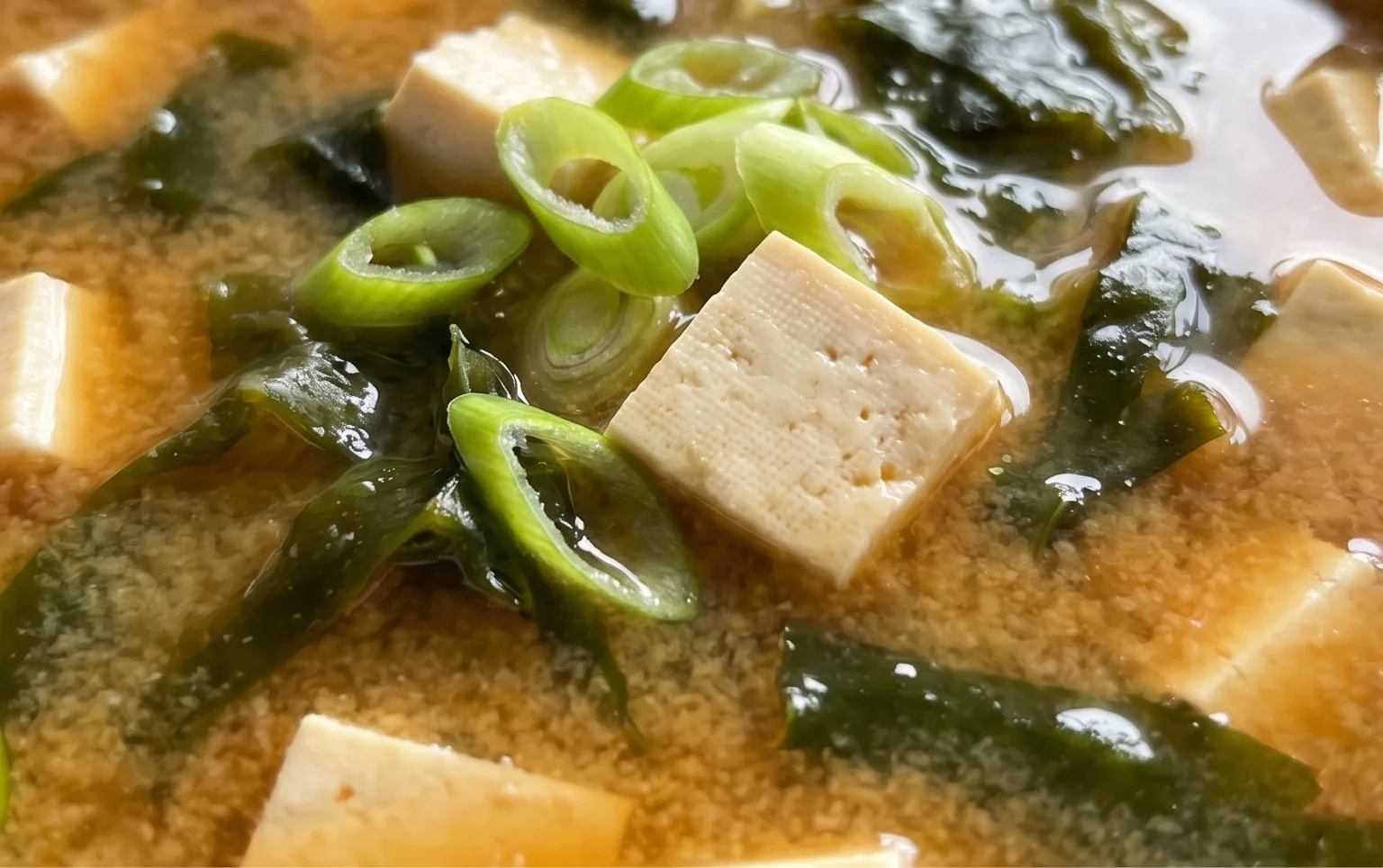
5. Serving and Garnishing: Once the miso is fully incorporated and the soup is heated through (but not boiling!), it’s ready to be served. Ladle the hot miso soup carefully into individual serving bowls, making sure to distribute the tofu and seaweed evenly. Garnish generously with the chopped scallions. The fresh, bright green of the scallions adds a lovely visual appeal and a fresh, sharp contrast to the rich, savory broth. Serve immediately and enjoy the comforting warmth and exquisite flavor of your homemade miso soup. This simple dish is a testament to how a few quality ingredients can create something truly delicious and nourishing.
Conclusion:
And there you have it! This miso soup recipe is a fantastic way to bring a comforting and flavorful taste of Japan right into your kitchen. It’s incredibly versatile, surprisingly quick to make, and can be enjoyed any time of day. Whether you’re looking for a light starter, a nourishing lunch, or a soothing evening meal, this classic dish delivers every time. Don’t be afraid to experiment with the add-ins to make it uniquely yours. I encourage you to give this simple yet profound miso soup recipe a try – I promise you won’t regret it!
Serving Suggestions: This miso soup is perfect served hot as a starter before sushi or any other Japanese main course. It also makes a satisfying light lunch on its own, perhaps with a side of steamed rice. For a more substantial meal, consider adding cooked noodles or dumplings.
Variations: Feel free to customize your miso soup! Common additions include silken tofu cubes, thinly sliced scallions, enoki mushrooms, spinach, or even small pieces of cooked chicken or shrimp. Experiment with different types of miso paste – red miso offers a deeper, richer flavor, while white miso is milder and sweeter.
Frequently Asked Questions:
What is miso paste and where can I find it?
Miso paste is a traditional Japanese seasoning made from fermented soybeans, often with rice or barley. It’s packed with umami flavor and is the star ingredient of this dish. You can typically find it in the international aisle of most well-stocked supermarkets, or at Asian grocery stores.
Can I make this recipe ahead of time?
While the dashi broth can be made ahead and stored in the refrigerator for a day or two, it’s best to add the miso paste just before serving. Miso paste is a living food, and prolonged boiling can diminish its beneficial enzymes and delicate flavor profile. Simply reheat the dashi and whisk in the miso gently.
Is miso soup healthy?
Yes, miso soup is generally considered very healthy! It’s a good source of probiotics due to the fermentation process, and the ingredients like tofu and seaweed are rich in nutrients and minerals. It’s also typically low in calories.
Miso Soup
A simple and comforting traditional Japanese miso soup.
Ingredients
-
2½ cups Dashi
-
1 heaping tablespoon dried seaweed
-
4 oz silken tofu, cut into small pieces
-
2 tablespoons miso paste
-
1 tablespoon scallion, chopped
Instructions
-
Step 1
Rehydrate the dried seaweed in a small bowl of water for about 5 minutes, then drain. -
Step 2
In a medium pot, bring the Dashi to a gentle simmer over medium heat. Do not boil. -
Step 3
Add the rehydrated seaweed and tofu pieces to the simmering Dashi. Cook for 2-3 minutes until heated through. -
Step 4
In a separate small bowl, ladle out about ½ cup of the hot Dashi. Whisk in the miso paste until smooth and fully dissolved. -
Step 5
Pour the miso mixture back into the pot. Stir gently to combine. Heat for another minute, but do not let the soup boil once the miso is added, as this can diminish its flavor and beneficial properties. -
Step 6
Ladle the miso soup into bowls and garnish with chopped scallions.
Important Information
Nutrition Facts (Per Serving)
It is important to consider this information as approximate and not to use it as definitive health advice.
Allergy Information
Please check ingredients for potential allergens and consult a health professional if in doubt.