French Macaron Recipe- Perfect Every Time
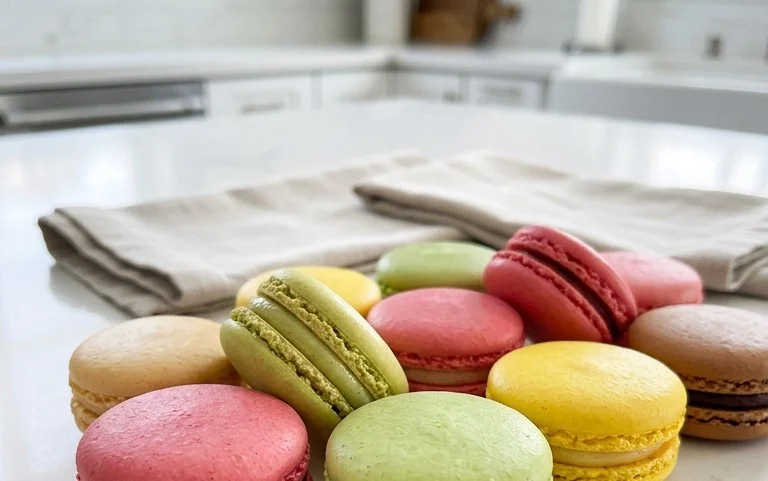
French macarons are more than just a delightful confection; they are tiny, edible works of art that have captivated taste buds and imagin extractations worldwide. If you’ve ever found yourself gazing longin extractgly at those perfectly smooth, vibrant shells and dreamed of creating them yourself, you’re in the right place. There’s an undeniable allure to the French macaron – that delicate crunch giving way to a soft, chewy interior, all embraced by a rich, flavorful filling. What makes them so special? It’s a symphony of textures and tastes, a delicate balance that requires precision and a touch of magic. While they might seem intimidating, mastering the French macaron is an incredibly rewarding experience, a journey into the heart of classic French patisserie. Today, we’re going to demystify the process and equip you with the knowledge and confidence to bake your very own exquisite French macarons.
French Macaron Recipe
Ah, the French macaron. Those delicate, jewel-toned meringue cookies sandwiching a luscious filling. They’re often seen as the Everest of home baking, intimidating and seemingly reserved for professional patisseries. But I’m here to tell you that with a little patience, precision, and this comprehensive guide, you too can master the art of the French macaron! We’ll break down each step, demystify the science, and set you up for sweet success.
Let’s gather our arsenal. Macarons are all about precise measurements and quality ingredients, so don’t skimp here.
Ingredients:
The Meringue: Building the Foundation
This is arguably the most critical stage. The meringue provides the structure and lift for your macarons. We’ll be using a French meringue method here, which involves whipping egg whites with granulated sugar.
1. Preparing Your Dry Ingredients: In a medium bowl, whisk together the sifted super-fine almond flour, powdered sugar, and salt. This is your “tant pour tant.” Sifting is absolutely crucial here. If your almond flour is not superfine, you can pulse it in a food processor with the powdered sugar, but be careful not to over-process, as it can release oils. Sifting multiple times can help achieve the desired fineness and remove any clumps that would result in lumpy macarons. Set this bowl aside.
2. Whipping the Egg Whites: Ensure your mixing bowl and whisk attachment are spotlessly clean and free of any grease. Even a tiny speck of fat can prevent your egg whites from whipping up properly. Place the room-temperature egg whites in the clean bowl of your stand mixer (or a large bowl if using a hand mixer). Begin extract whipping on medium-low speed. You want to see a foamy texture developing. Gradually increase the speed to medium-high and slowly start adding the granulated sugar, a tablespoon at a time. Continue whipping until you achieve stiff, glossy peaks. This means when you lift the whisk, the meringue should stand straight up and hold its shape without drooping. This process can take anywhere from 5 to 10 minutes, depending on your mixer.
3. Adding Color and Flavor: Once your meringue is at stiff peaks, it’s time to add color and flavor. Gently fold in the liquid-gel food coloring and the vanilla extract. If you’re aiming for a vibrant color, you might need to add a few more drops, but remember that the color will intensify slightly as the macarons bake. Be gentle with your folding; you don’t want to deflate the meringue you worked so hard to create. Aim for a uniform, beautiful color throughout.
The Macaronage: The Art of Folding
This is where many bakers stumble, but it’s really about finding the right consistency. This stage determines whether your macarons will have smooth tops or develop those dreaded “feet” (the ruffled base).
4. Folding the Dry Ingredients: It’s time to bring your dry ingredients into the meringue. Add about one-third of your almond flour and powdered sugar mixture to the meringue. Using a rubber spatula, gently fold it in. The technique is important: cut down through the center of the meringue, scrape along the bottom of the bowl, and then bring the batter up and over itself. Repeat this motion, rotating the bowl as you go. Once that’s mostly incorporated, add another third, and then the final third, continuing to fold. You are looking for a lava-like consistency. When you lift your spatula, the batter should fall in a thick, continuous ribbon. If you were to draw a figure-eight with the batter, it should hold its shape for a few seconds before slowly melting back into the rest of the batter. Be careful not to overmix, as this will make your macarons spread too much and become flat. Conversely, under-mixing will result in a batter that is too stiff, leading to cracked tops.
Piping and Baking: The Final Touches
Patience is key in this stage as well. Proper piping and baking will ensure those perfect little macarons.
5. Piping the Shells: Transfer your macaron batter into a piping bag fitted with a round tip (about 1/2 inch in diameter). Line two baking sheets with parchment paper or silicone baking mats. If using parchment paper, you can draw template circles underneath to ensure uniform size, or freehand them. Hold the piping bag perpendicular to the baking sheet and pipe small, round mounds of batter, leaving about an inch of space between each one. Tap the baking sheets firmly on the counter several times to release any air bubbles trapped in the batter. This is crucial for achieving smooth tops and preventing cracks. You can also use a toothpick to gently pop any visible air bubbles.
6. Resting and Baking: Now comes the waiting game. Let the piped macarons sit at room temperature for at least 30-60 minutes, or until they have formed a dry skin. When you gently touch the surface of a macaron, it should no longer feel sticky. This “skin” is what allows the macarons to develop their characteristic feet during baking. While they are resting, preheat your oven to 300°F (150°C). Once rested, bake the macarons for 12-15 minutes. The exact baking time will vary depending on your oven. You’ll know they’re done when the feet have risen and the tops are set. They should not wobble when gently nudged. Let them cool completely on the baking sheets before attempting to remove them.
Once your shells are completely cooled, it’s time to fill them! Pipe a generous dollop of your chosen filling onto one shell and gently press another shell on top to create a sandwich.
Notes on Ingredients:
Measuring Almond Flour: It is best to weigh your almond flour after sifting to ensure accuracy. Sifting helps aerate the flour and remove any large particles, leading to smoother shells.
* Food Coloring: Liquid-gel food coloring is recommended as it adds color without extra liquid, which can affect the batter consistency. Start with the recommended amount and add more gradually if a more intense color is desired.
Enjoy your homemade French macarons! They are a true labor of love, but the reward is immense.

Conclusion:
Embarking on the journey to create perfect French macarons is incredibly rewarding, and I truly believe this recipe makes it accessible and enjoyable for everyone. The magic lies in achieving those delicate, smooth shells with the signature “foot” and a wonderfully chewy interior. The satisfaction of biting into a perfectly balanced macaron, whether it’s the classic vanilla or a more adventurous flavor, is unparalleled. These little gems are not just desserts; they’re edible works of art, perfect for impressing guests at a dinner party, adding a touch of elegance to a special occasion, or simply treating yourself to something truly exquisite. Don’t be intimidated by their reputation; with a little patience and careful attention to detail, you’ll be whipping up beautiful French macarons in no time!
I love serving these alongside a cup of coffee or tea, or as a delightful ending to a multi-course meal. They also make fantastic edible gifts! Consider experimenting with different fillings like raspberry jam, salted caramel, or even a rich chocolate ganache. This French macaron recipe is a fantastic starting point for endless flavor explorations.
Frequently Asked Questions about French Macarons:
Why are my macaron shells cracked?
Cracked shells are often a sign that the oven temperature was too high, or that the meringue was not properly whipped, leading to a fragile structure. Ensuring your oven is accurately calibrated and that you’ve achieved stiff peaks with your meringue is crucial for preventing cracks.
My macarons are hollow. What went wrong?
Hollow macarons can be caused by several factors. Over-whipped meringue can cause them to collapse, as can under-baking. It’s also possible that the batter was not “macaronaged” (folded) enough, preventing the release of air bubbles. Look for the glossy, lava-like consistency of the batter, and ensure they are baked until the feet are fully formed and they no longer wobble when gently touched.
French Macaron Recipe
A classic French macaron recipe with a delicate meringue shell and a sweet vanilla buttercream filling.
Ingredients
-
150 grams sifted super-fine almond flour
-
180 grams powdered sugar
-
1/4 teaspoon salt
-
120 grams large egg whites (at room temperature)
-
60 grams granulated sugar
-
4 drops liquid-gel food coloring
-
1 teaspoon pure vanilla extract
-
Vanilla Buttercream Frosting (or your choice of filling)
Instructions
-
Step 1
Combine sifted almond flour, powdered sugar, and salt in a food processor and pulse a few times until finely combined. -
Step 2
Whisk the egg whites in a clean, grease-free bowl until frothy. Gradually add the granulated sugar, whisking until stiff, glossy peaks form. -
Step 3
Gently fold in the food coloring and vanilla extract into the meringue. Be careful not to overmix. -
Step 4
Gradually add the almond flour mixture to the meringue, folding until a smooth, lava-like batter forms. It should flow slowly off the spatula in a ribbon. -
Step 5
Pipe small rounds of batter onto baking sheets lined with parchment paper or silicone mats. -
Step 6
Tap the baking sheets firmly on the counter to release air bubbles. Let the macarons rest for 30-60 minutes until a skin forms. -
Step 7
Bake in a preheated oven at 300°F (150°C) for 12-15 minutes, or until the shells are firm and have developed ‘feet’. -
Step 8
Let the macarons cool completely on the baking sheets before removing. Fill with your choice of frosting or filling.
Important Information
Nutrition Facts (Per Serving)
It is important to consider this information as approximate and not to use it as definitive health advice.
Allergy Information
Please check ingredients for potential allergens and consult a health professional if in doubt.